Kyoto Tea Ceremony Experience Authentic Traditional Japanese Tea Ceremony in Kyoto
Whisk your own matcha in a garden tea house near Kiyomizu-dera. Join thousands of first-time visitors who learned the ritual from an English-speaking tea master, tasted a seasonal sweet with their tea, and left with a photo of the moment. Pick a session, arrive with clean socks, and let the ceremony do the rest.
"Such a lovely activity! We adored this calming moment. So many explanations. Our tea master and presenter were adorable! Truly timeless! 100% recommend."
4.9★average rating12,575traveler reviews100%free cancellation37countries travelers came from
Choosing your Kyoto tea ceremony
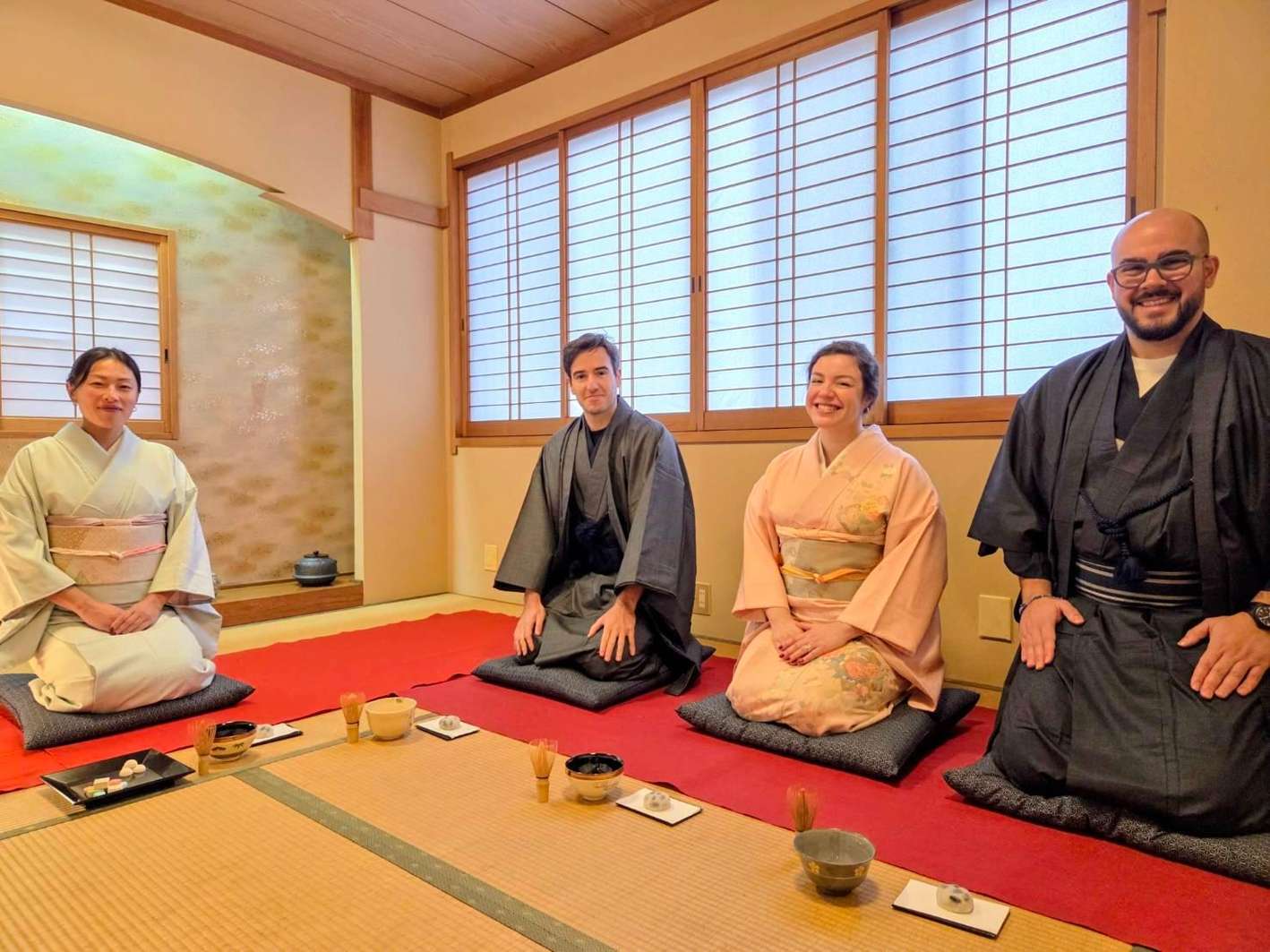
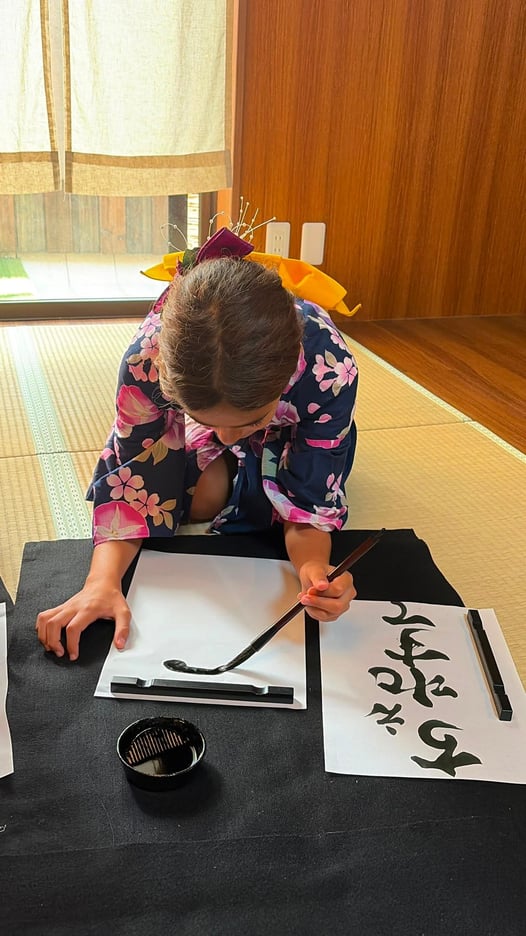
Every session on this site sits in a real tatami room with a tea master, and the deciding difference is how much you take part. Some sessions have you watch a demonstration and then whisk your own bowl of matcha. Others focus on the setting, a temple hall or a garden tea house, or add kimono dressing and calligraphy.
Book aheadPopular slots fill up in advance during spring cherry blossom season and November foliage, and walk-ups are unreliable, so reserve as early as you can.
Age limitsMost venues set minimum ages, from children under 5 turned away at Jotokuji Temple to 10 and above at the townhouse ceremony, so check the age line on your booking.
SocksYou must wear socks on tatami, so bring a clean, hole-free pair, and skip sandals or flip flops at venues that ban them.
SeatingChairs, stools or low benches are available at several venues, so knee or back trouble does not stop you from joining.
Arriving on timeSome venues lock doors at the start or deny entry after the session begins, so aim to arrive five minutes early.
PhotographyVideo recording is banned at some venues and flash photography is not permitted at the townhouse ceremony, so keep stills flash-free.
SweetsTraditional wagashi often contain wheat, soy or nuts, so tell the host in advance if you have a serious allergy.
MatchaThe tea is strong and bitter, with no decaf option, so caffeine-sensitive guests can take a small courtesy sip or ask for plain hot water.
JewelryRings and watches can scratch the tea bowls, so take them off before the ceremony.
SeasonWinter from December to February is the quietest time to book, while April and November are the busiest.
Which tea ceremony in Kyoto fits you?
Answer a few quick questions and the finder matches a tea ceremony to your trip.
1Who's coming?
2What's your budget?
3What kind of trip?
Your best match
match
Kyoto: Tea Ceremony in a Garden Tea House near Kiyomizu-dera★ 4.8 (4,618) · 45 minutes · Classic experience
Popular with couples and solo travelers; 98% of couples and 97% of solo travelers gave it 4 or 5 stars.
Booked 98 times last week
A short 45-minute session in a garden tea house near Kiyomizu-dera, photo included.
Pick your Japanese tea ceremony experience in Kyoto
Six ways to sit down to matcha in the city where tea schools trace back to Sen no Rikyu. Each card below is a different setting, from a temple hall to a machiya townhouse.
On a budgetTop rated
1 - 2.5 hours·English
4.8(778)
Kyoto: Traditional Tea Ceremony with Matcha & Sweets in Gion
A one-hour session in Gion where you watch the master and whisk your own bowl, with chairs instead of the floor.
Watch the master, then whisk your own matchaChair seating for anyone who dreads kneelingPrivate option for one group alone
Inside a matcha tea ceremony experience in Kyoto - garden tea house near Kiyomizu-dera
about 1 h
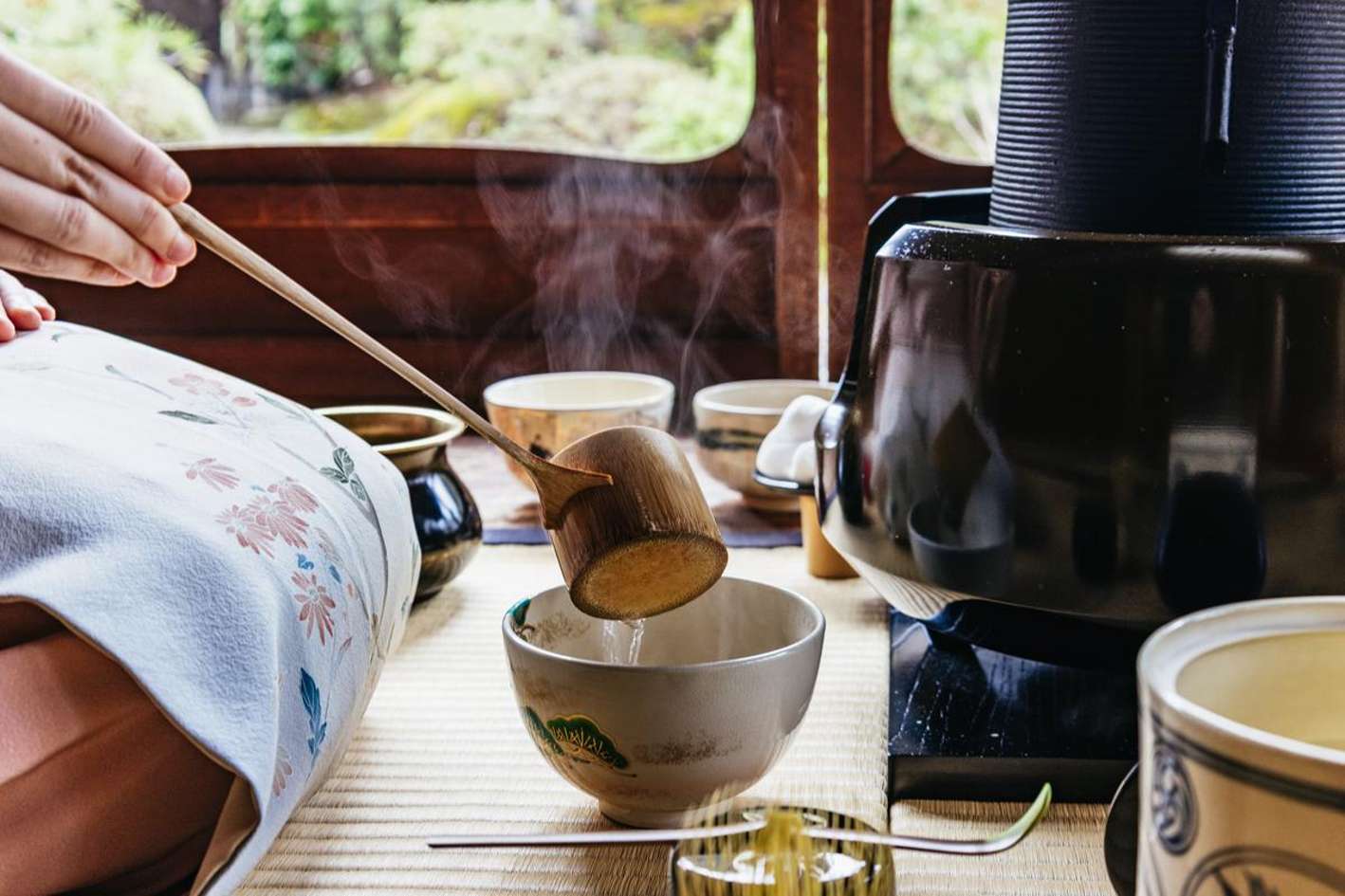
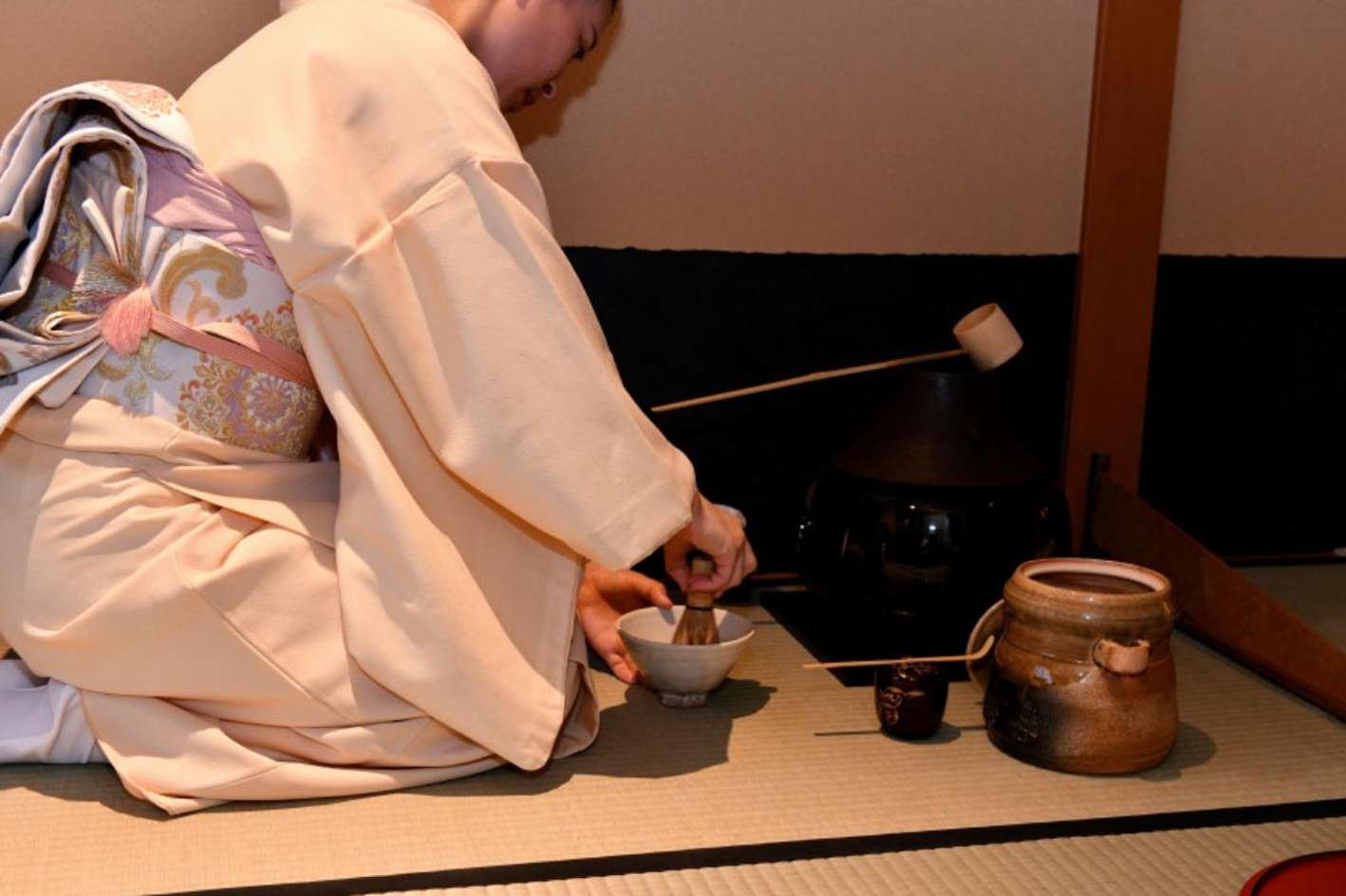
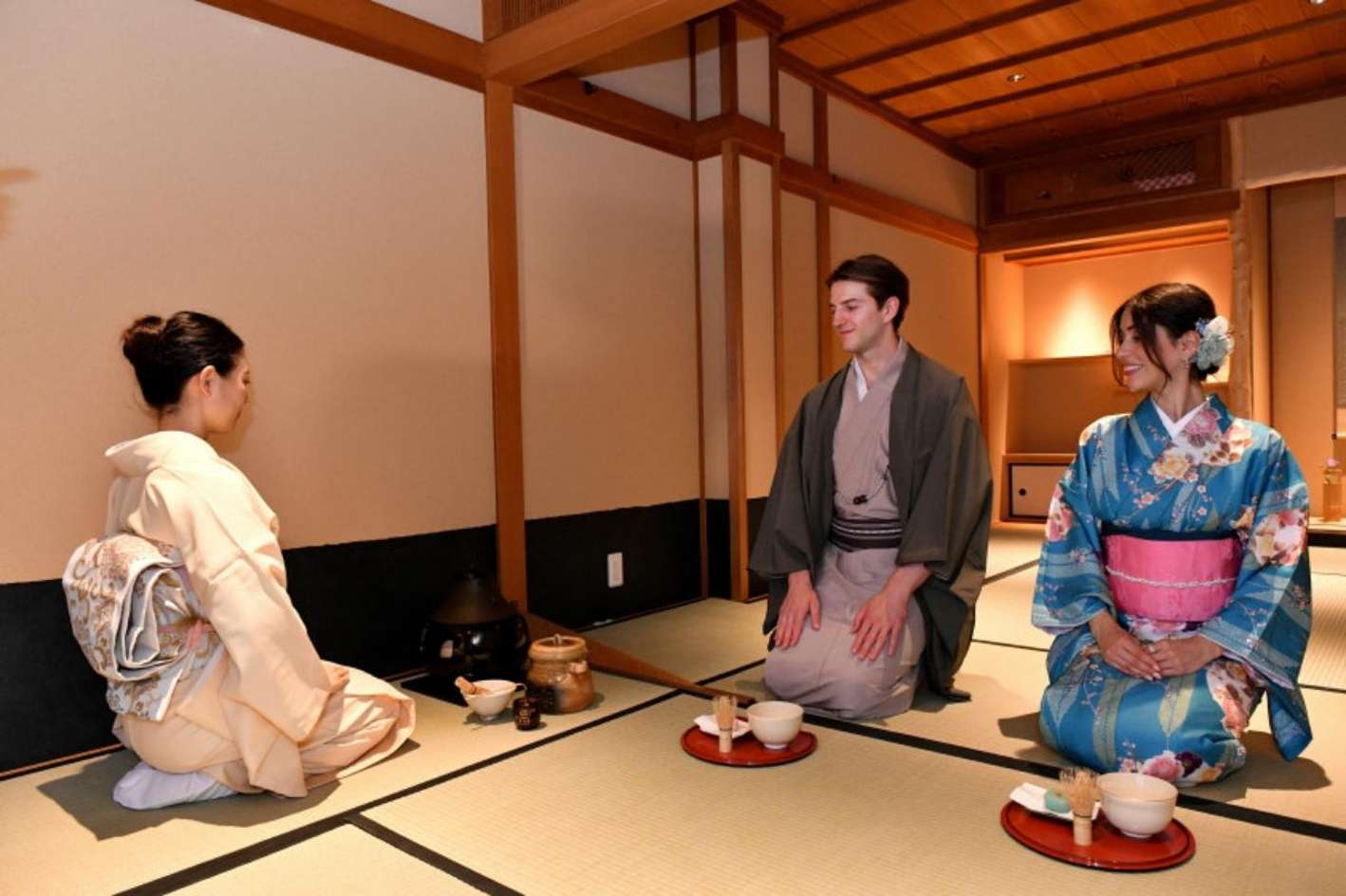
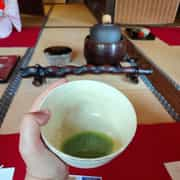
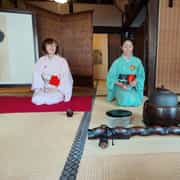
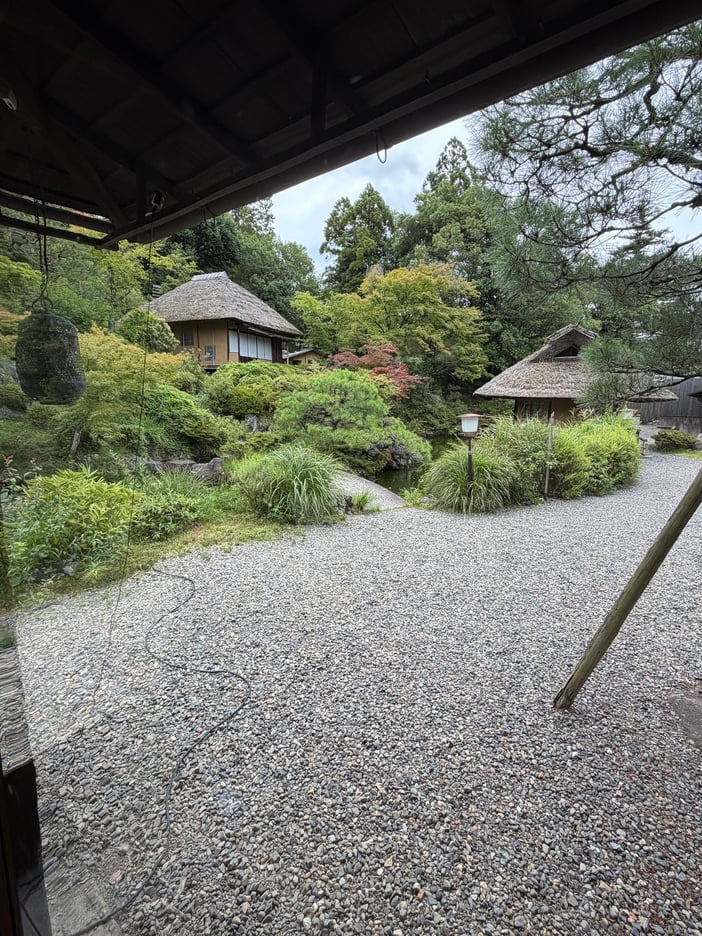
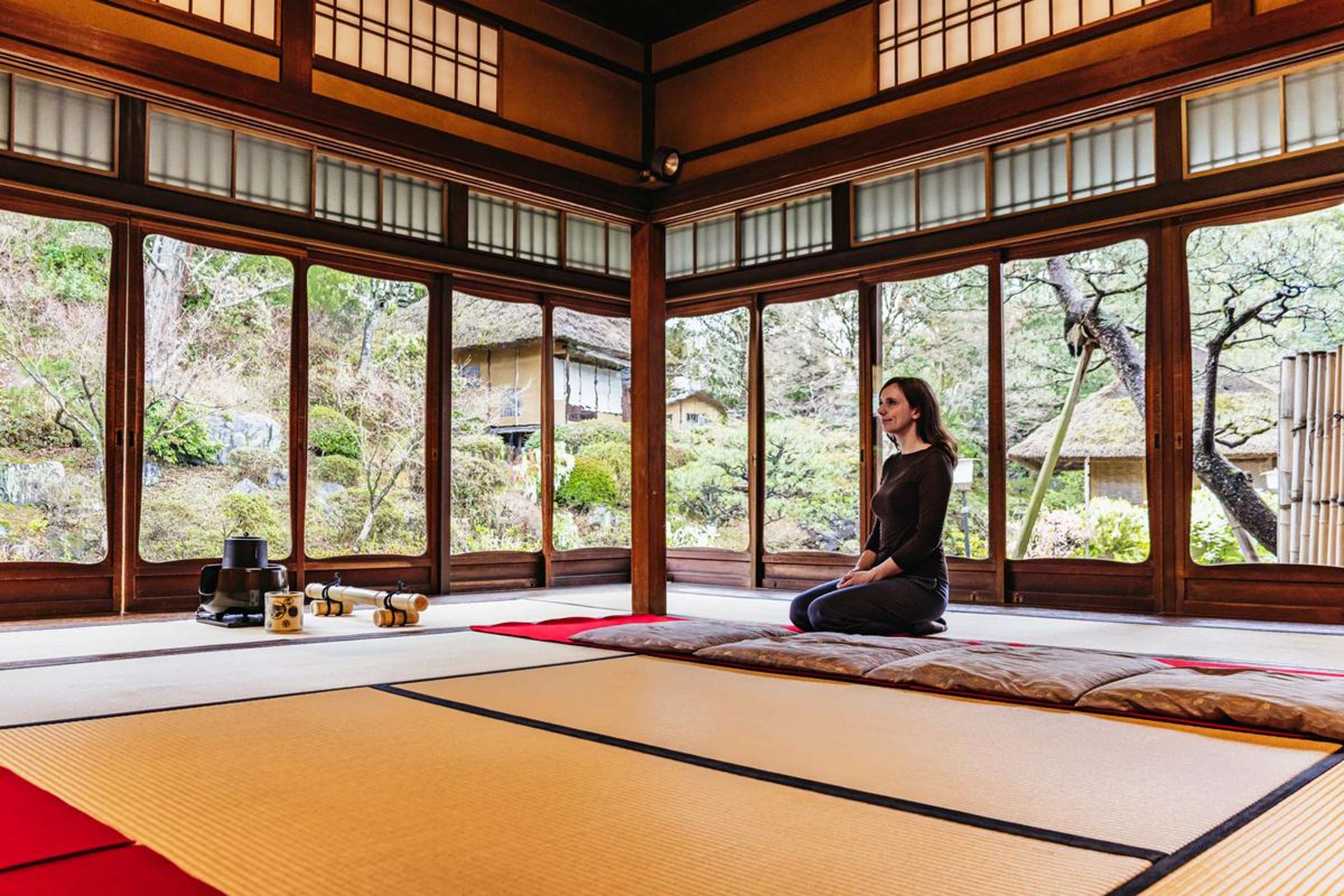
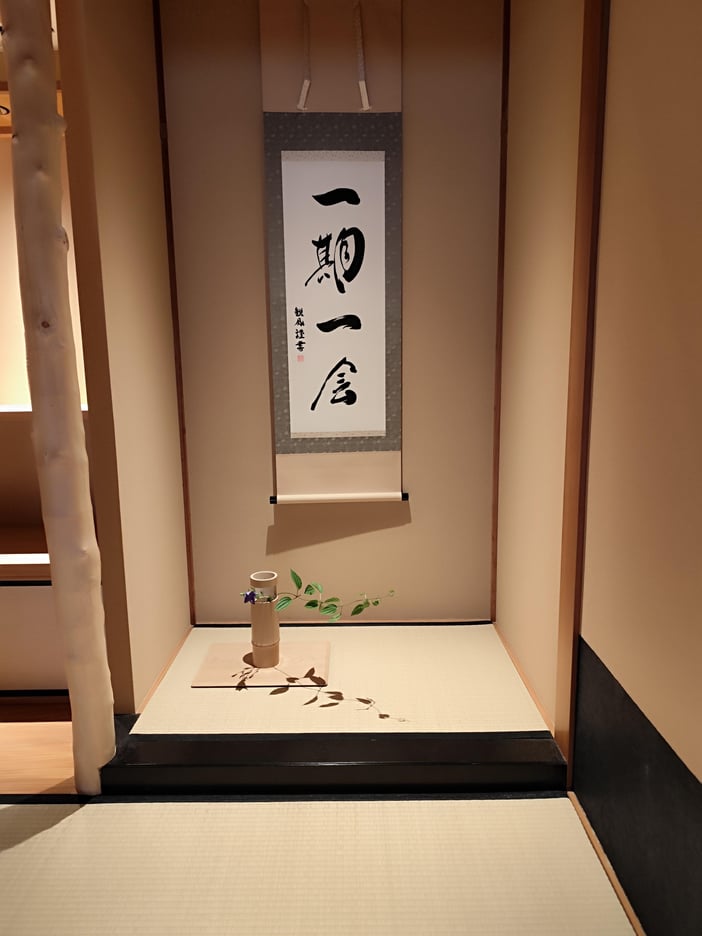
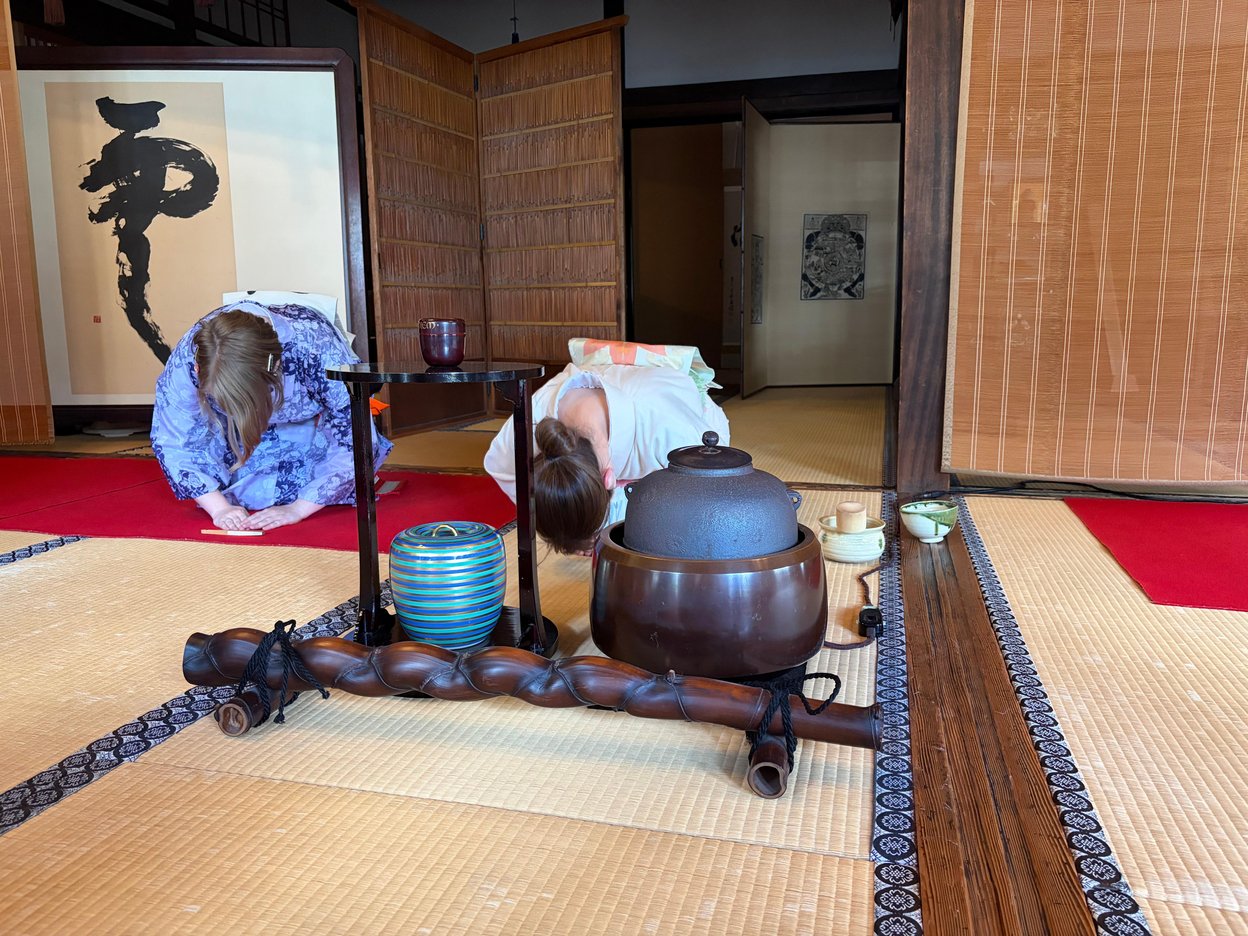
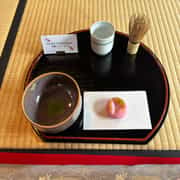
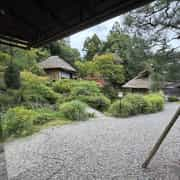
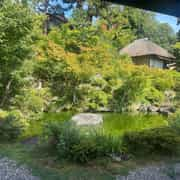
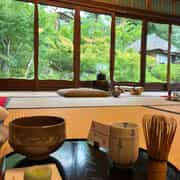
Forty-five minutes, one garden, two bowls of matcha. The tea house sits in the historic Sannenzaka district below Kiyomizu-dera, and its garden was designed by the landscape artist Ogawa Jihei VII. You watch the master prepare matcha, then whisk your own bowl, and you leave with a photo of the experience.
The session runs in English, so you follow the meaning behind each movement rather than guessing. Rain or shine, it goes ahead, and kimono rental is not available here, so come dressed as you are.
1Arrival in the garden· 5 minYou are welcomed and shown the garden, a Japanese garden designed by Ogawa Jihei VII, with the tea house overlooking it.2Tea philosophy introduction· 10 minA short introduction to the philosophy behind the ceremony, a practice that has lasted about 500 years, as you take in the garden scenery.3The tea master's demonstration· 10 minAn experienced tea master performs the ritual of preparing matcha, showing the precise movements the tradition is known for.4Matcha and a sweet· 5 minYou sip a bowl of freshly prepared Uji matcha alongside a traditional Japanese sweet chosen to complement the tea.5Whisk your own bowl· 15 minIn the second half you learn to brew your own matcha, then take home a photo from the experience.
Where the other tours go
Kyoto: Traditional Tea Ceremony with Matcha & Sweets in Gion
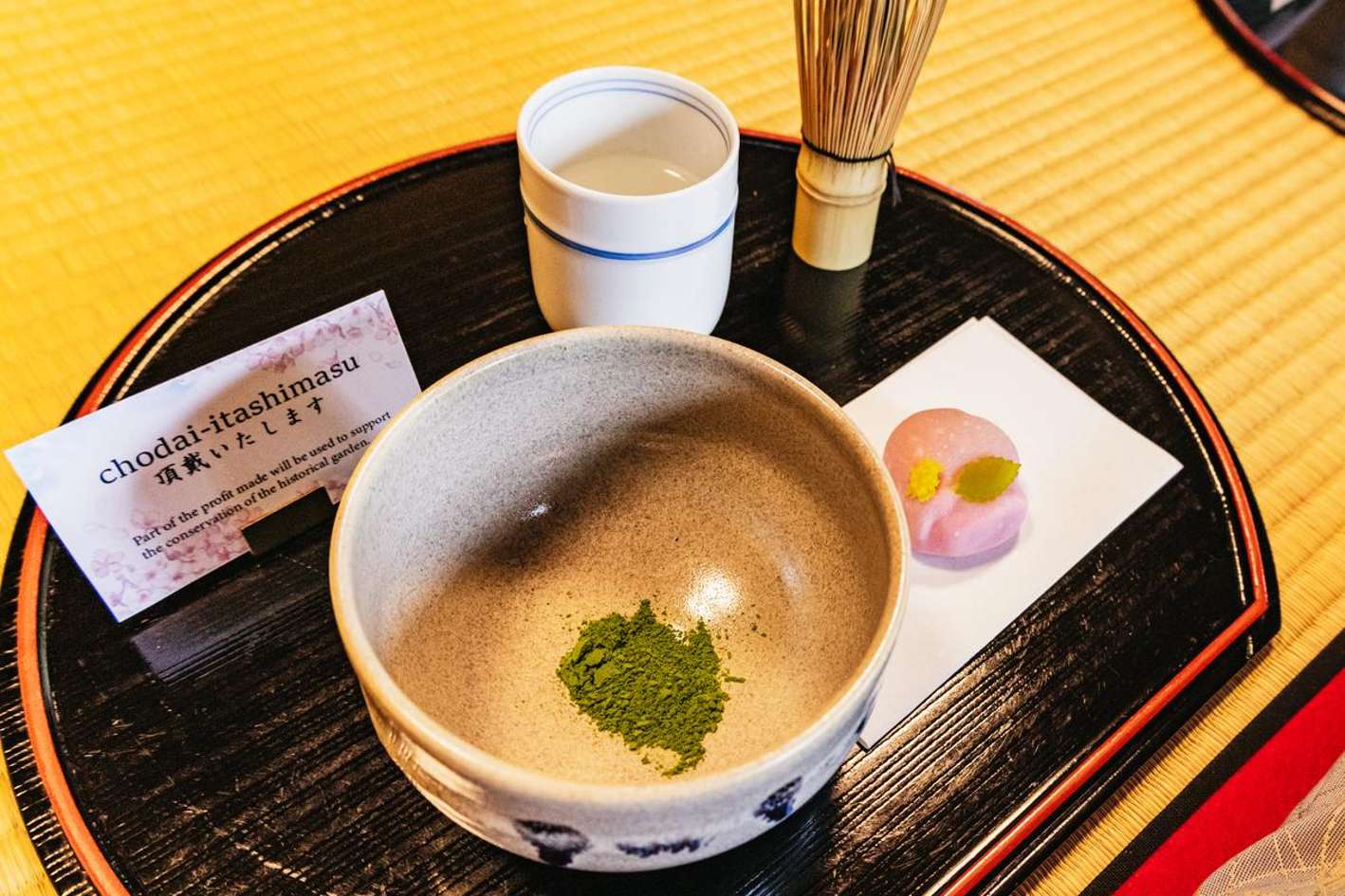
Tea ceremony2 cups of matcha from Uji, Kyoto (one made by the host and one made by yourself)Traditional Japanese sweetsPhoto
Not included
Kimono rental is not available at Sakaguchian.movieChildren 7 and Under: No Entry
How to book your tea ceremony in Kyoto
01
Pick your date first
Choose a date early if you travel in April or November, when cherry blossom and autumn foliage fill the most popular slots weeks ahead. December to February stays quiet, so a few days ahead is often enough.
Pro tipSessions between 9 am and 11 am get the calmest streets and the quietest tea rooms
RecommendedBook a morning slot before the day-tripper crowds build in Higashiyama
02
Choose the right option
Most listings offer a basic ceremony, a kimono add-on, and sometimes calligraphy or a private version. The option changes everything: duration, meeting point, and what you do after.
Common mistakeFirst-timers pick a kimono package without checking the logistics. At one Gion operator, choosing the kimono rental option fixes your tea ceremony time to your selected kimono start time, and some venues only let you wear the kimono on-site
Pro tipIf you want to walk around Kyoto in kimono after, check that the option allows it before you book
03
Check the age and access rules
Each venue sets its own minimum age. Children under 7 are not admitted near Kiyomizu-dera, under 5 at one Gion session, and under 10 at the 100-year-old townhouse. Some venues lock doors at the start time, so late arrival means no entry.
ImportantAge limits are enforced and can stop a visit, so read them before booking for a family
Pro tipIf kneeling on tatami is hard, look for listings that offer chair seating, which several venues do on request
04
Pay and read the confirmation
After payment you get a confirmation email with the voucher and meeting point. Most tea ceremonies in Kyoto have no pickup, so the voucher shows where to meet the host or guide, and the arrival time stated on it.
Pro tipMost ceremonies on this site let you cancel up to 24 hours in advance for a full refund, so you can lock in a peak-season slot without risk
Common mistakeSkipping the meeting point details. Some venues sit in courtyards or behind temple gates, and the voucher instructions are the only clear way in
05
On the day
Arrive five minutes early, dressed with socks already on. Some Gion sessions refuse entry once the ceremony has begun with no refund, and other venues deny entry if more than 30 minutes have passed.
ImportantWear socks, bare feet are not allowed on tatami, and some venues turn guests away at the door
Common mistakeArriving late. One late arrival can cost the whole session, and trains or crowded buses in Gion often run slower than you expect
What travelers said about their tea ceremony in Kyoto
Guests loved how patiently the hosts and interpreters explained every step and answered questions.
Best surprise
Many guests did not expect to keep wearing the kimono all day and called it a happy surprise.
Most common wish
Several wished the session ran longer, feeling the roughly 40 minutes passed far too quickly.
A temple tea ceremony at Jotokuji, longer and quieter than most
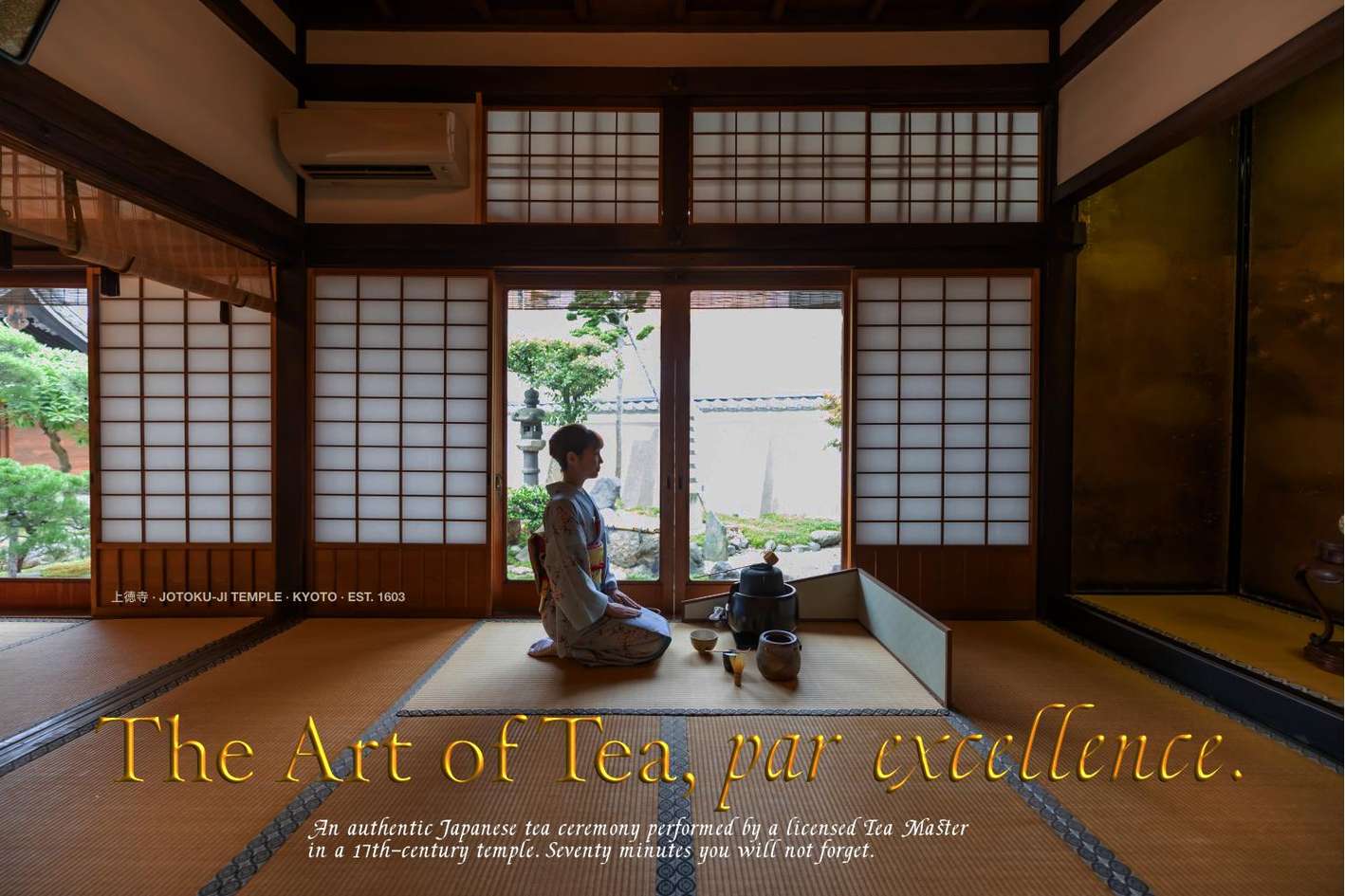
A temple tea ceremony differs from the tea rooms on the page's main tour. At Jotokuji Temple you enter through the main gates, walk past a purification fountain, and join a 70-minute session in a temple tearoom, with seats and stools available if sitting on the floor is hard for you.
The session runs longer than a typical beginner ceremony, so there is time for the ritual and the temple's architecture. It suits travelers who want their first ceremony at a working temple, and the temple grounds welcome wheelchairs.
Longer, more complete sessionThe ceremony runs a full 70 minutes, longer than the 45-minute beginner sessions on the site's other tours.
Trusted by thousandsThis tour holds a 4.9 rating from more than 3,850 reviews, and the booking includes a guide and the ceremony.
Comfortable seatingStools and seats are provided for anyone who would rather not sit in the traditional kneeling position on the floor.
Book early: sessions fill up in advance during cherry blossom and autumn foliage seasons, and free cancellation up to 24 hours holds your date.
What to know before you book a green tea ceremony in Kyoto
Can stop the dayGood to knowGood news
01
ChoosingWhat it is, who it suits, when to go
5
Sitting
Most sessions take place on tatami mats, and kneeling the whole time is not required. At Jotokuji Temple you can ask for a seat or stool, the townhouse tea ceremony offers a small chair, and the Karasumashijo venue has bamboo chairs on advance request.
Jewelry
Rings and watches can scratch or crack the ceramic tea bowls when you lift them with both hands. Take them off before handling the bowls and inspecting the glaze.
What you get
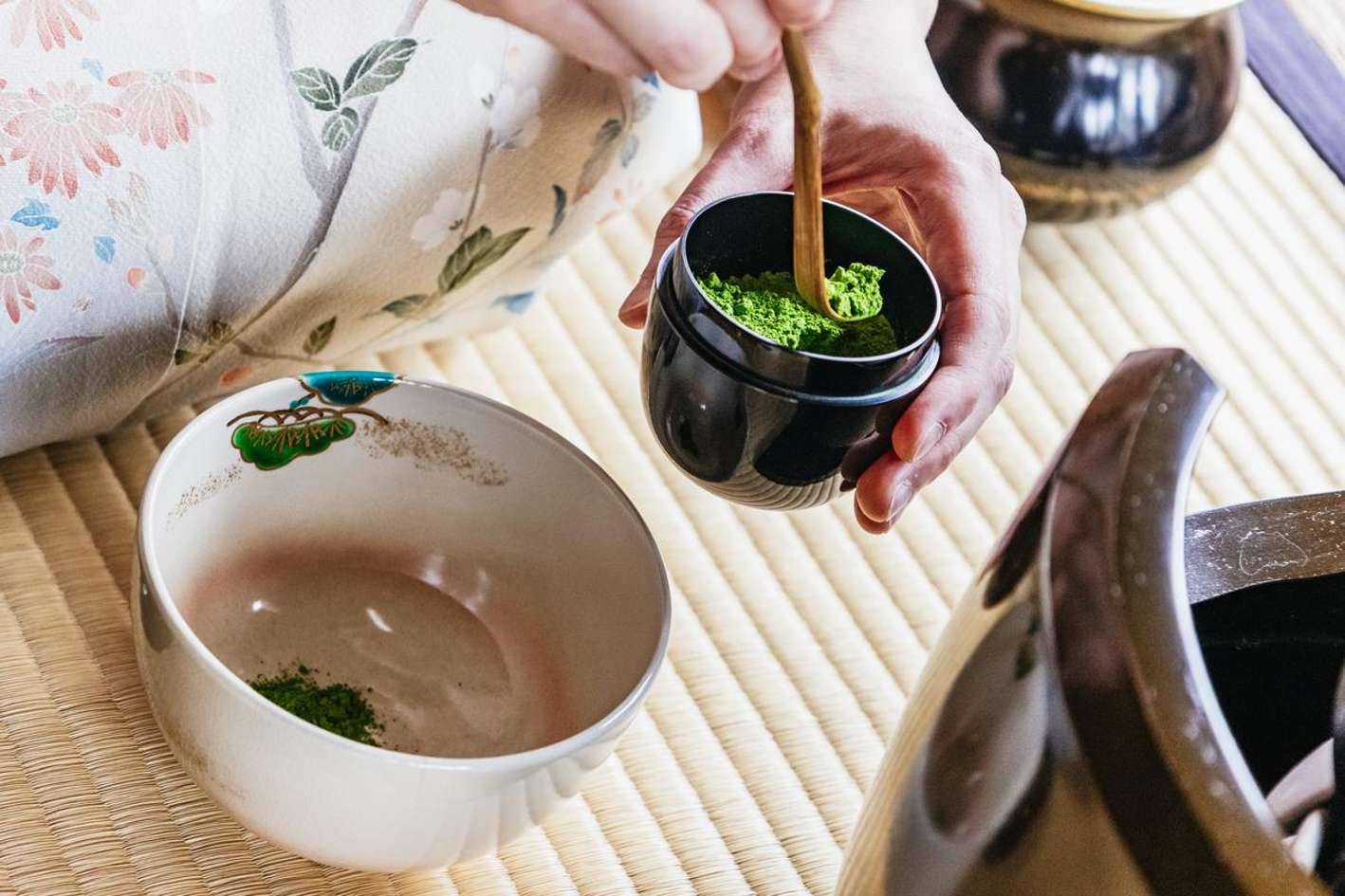
A typical session includes matcha from Uji, a seasonal Japanese sweet, and your own bowl to whisk. One venue includes two cups, one made by the host and one by you. Kimono rental is usually a separate option or add-on.
Bitterness
Ceremonial matcha is strong and bitter compared to sweetened cafe drinks, but you eat the sweet first to balance it, and the portion is only a few small sips. People who normally dislike matcha are often pleasantly surprised by how fresh it tastes.
Left-handed
In the way of tea, every procedure is performed right-handed, including whisking, wiping, and turning the bowl. Left-handed guests follow the same steps as everyone else.
02
BookingHow far ahead, and what happens if plans change
3
Allergies
The wagashi sweets can contain wheat, soy, or nuts, and the kyo-gashi style kneads flour into bean paste on purpose. If you have a serious allergy, tell the host in advance and check the ingredients with staff before you eat.
Caffeine
Matcha is concentrated green tea and no decaf version exists. If you cannot tolerate caffeine, tell the host in advance and they will let you take a tiny courtesy sip or give you plain hot water instead.
Cancellation
Most of the tours on this site let you cancel up to 24 hours in advance with no penalty. Book early for April and November, when popular slots fill up weeks ahead and walk-ups are unreliable.
03
Before you goPapers, health, what to bring
2
Socks
You take off your shoes at the entrance, and bare feet are not allowed on tatami. Bring a clean, hole-free pair of socks to slip on, and skip sandals or flip flops at the venues that ban them.
KidsCan stop the day
Age limits vary by venue and are enforced. The garden tea house near Kiyomizu-dera admits children 7 and older only, the townhouse session is for ages 10 and up, and the temple ceremony at Jotokuji turns away children under 4.
04
On the dayWhere to be, when, and how you get there
1
Late arrivalCan stop the day
Venues lock doors at the start time and late arrivals are not admitted. Some sessions deny entry after 30 minutes even when a train delay is the reason, and the booking is not refunded. Aim to arrive 5 to 10 minutes early.
05
During the tourWhat is expected of you
1
Photos
Rules differ by venue. Flash photography is banned at the townhouse ceremony, and video recording is not allowed at some tea rooms. One venue gives you a photo as part of the booking, so stills are usually fine where flash is not.
A first-timer's guide to a Japanese tea ceremony in Kyoto
A Kyoto tea ceremony lasts about an hour, and most first-timers spend the week before it worrying they will do something wrong. Settle the ritual, the venues and the fine print first, and the hour becomes a welcome.
Kyoto· 35.00° N, 135.77° E
If you only remember three things
1
Book 6 to 8 weeks ahead for April or November, when popular slots fill up and walk-ups are unreliable.
2
Take a morning session between 9 am and 11 am for the quietest streets and the calmest room.
3
Bring clean socks; bare feet never touch the tatami, and slip-off shoes make the entrance easy.
Is doing a tea ceremony in Kyoto worth it?
The first question is the honest one: is this a real cultural encounter or a staged routine for tourists? Kyoto is where tea culture lives. The three great schools descended from Sen no Rikyu all have their headships here, and the city's ties to tea run deeper than anywhere else in Japan.
The sessions built for visitors distill the formal four-hour gatherings into 40 to 60 minutes, with English explanations of every movement and a bowl you whisk yourself. People who arrived certain they hated green tea often leave surprised at how fresh the matcha tastes when they make it properly.
What people wrongly assume
MythIt is a silent ordeal that demands etiquette knowledge you don't have
Reality
Introductory sessions are relaxed lessons where a host explains the meaning behind each step
MythEvery session is a rushed 40-minute turnstile
Reality
Standard introductory sessions run 40 to 60 minutes, long enough to absorb the ritual
MythThe tea service at a geisha dance festival counts as a ceremony
Reality
That refreshment skips the explanations, the whisking and the sweets ritual
The rest of the planning follows the same order: what the hour holds, which format fits you, where the rooms sit, and the fine print that decides the day.
Tour for this
Kyoto: Traditional Tea Ceremony with Matcha & Sweets in Gion4.8★ (778) · 1 - 2.5 hours · Free cancellation
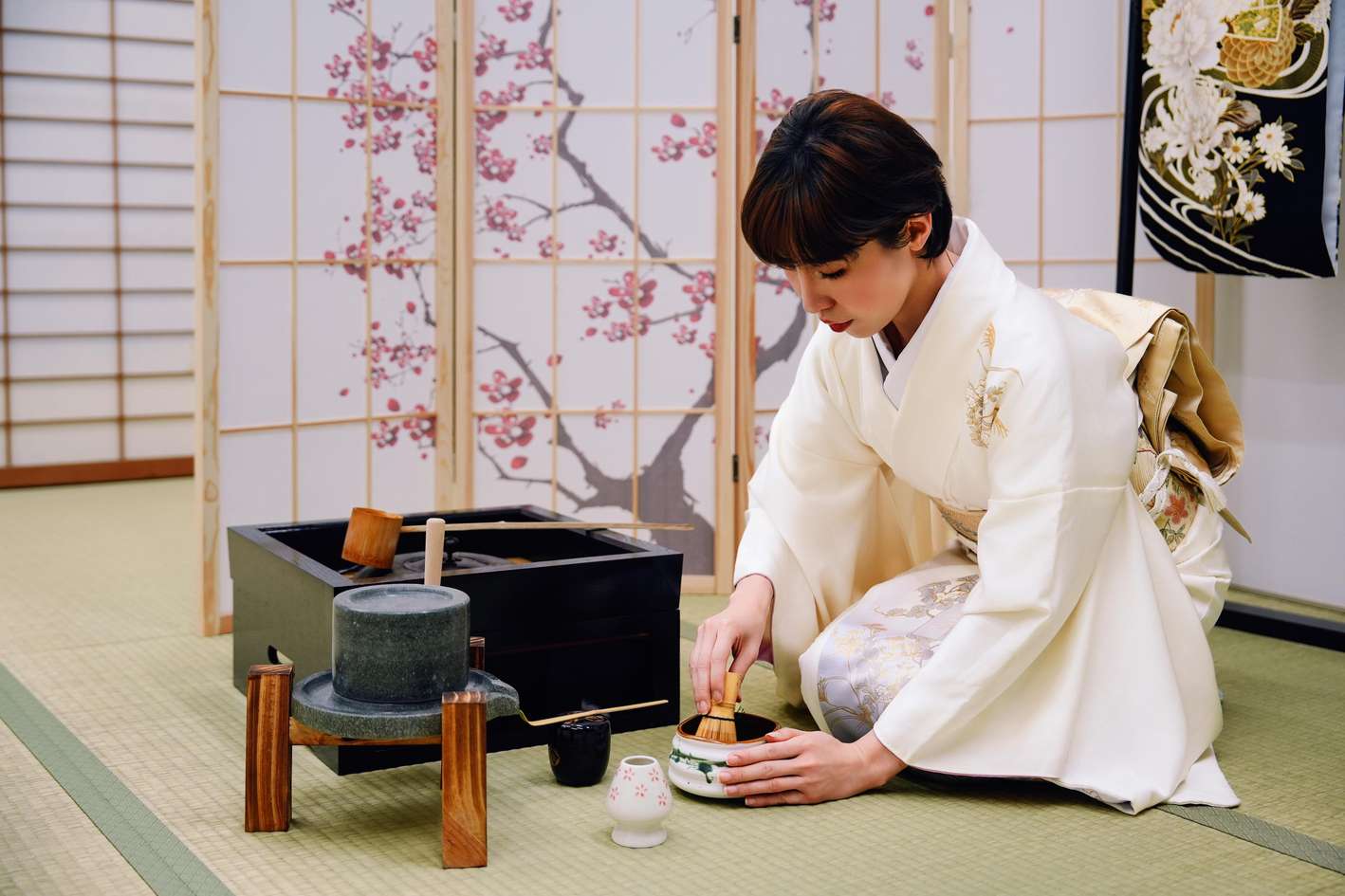
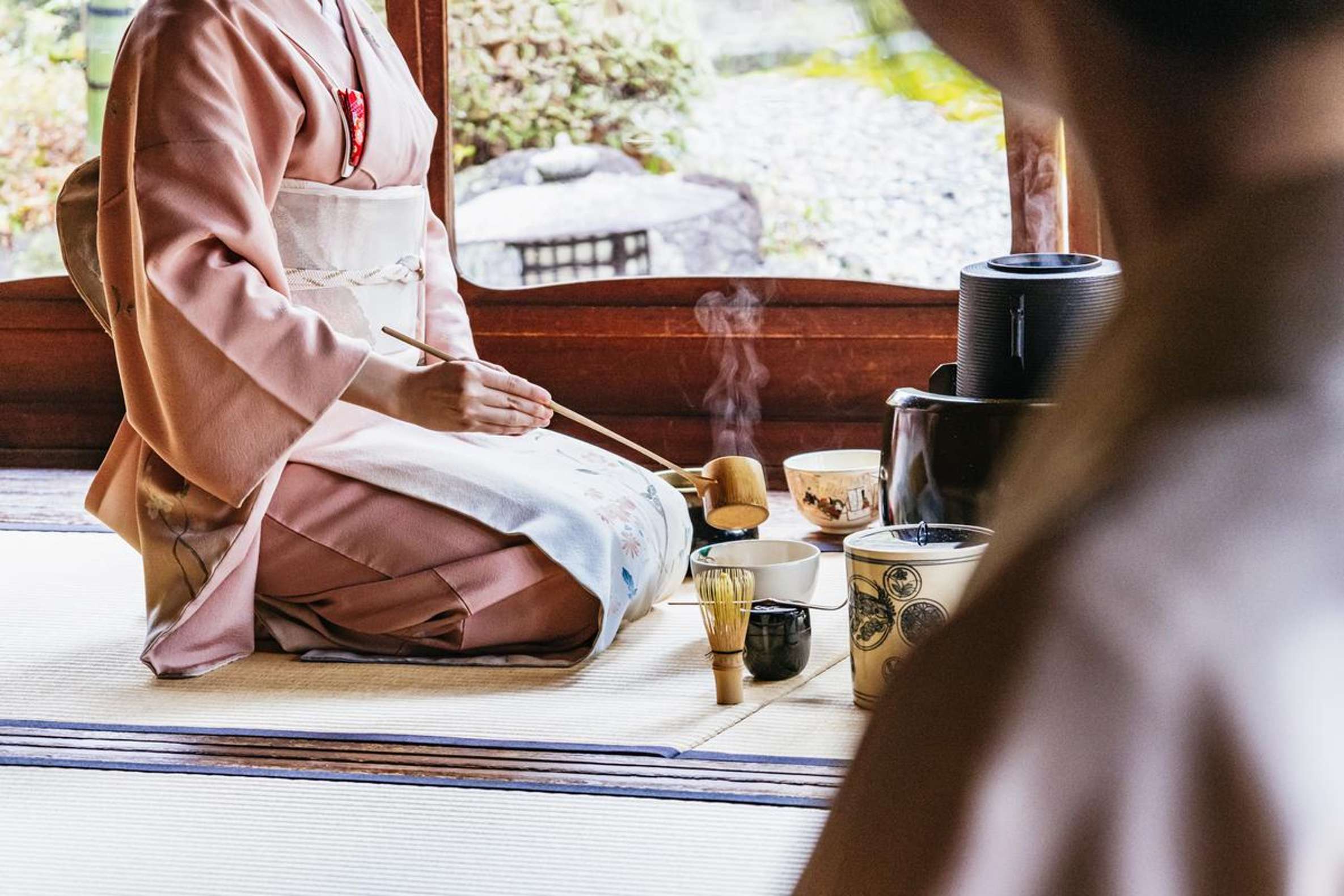
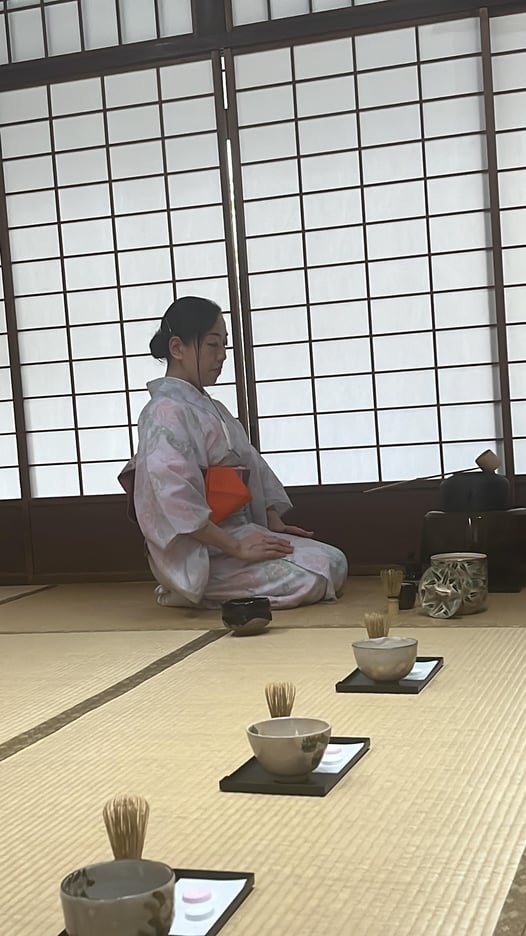
An introductory session follows a settled sequence, and once you know it the room stops feeling foreign. You arrive early, remove your shoes, and rinse your hands and mouth at the stone basin before stepping onto the tatami. Then the tea master takes over.
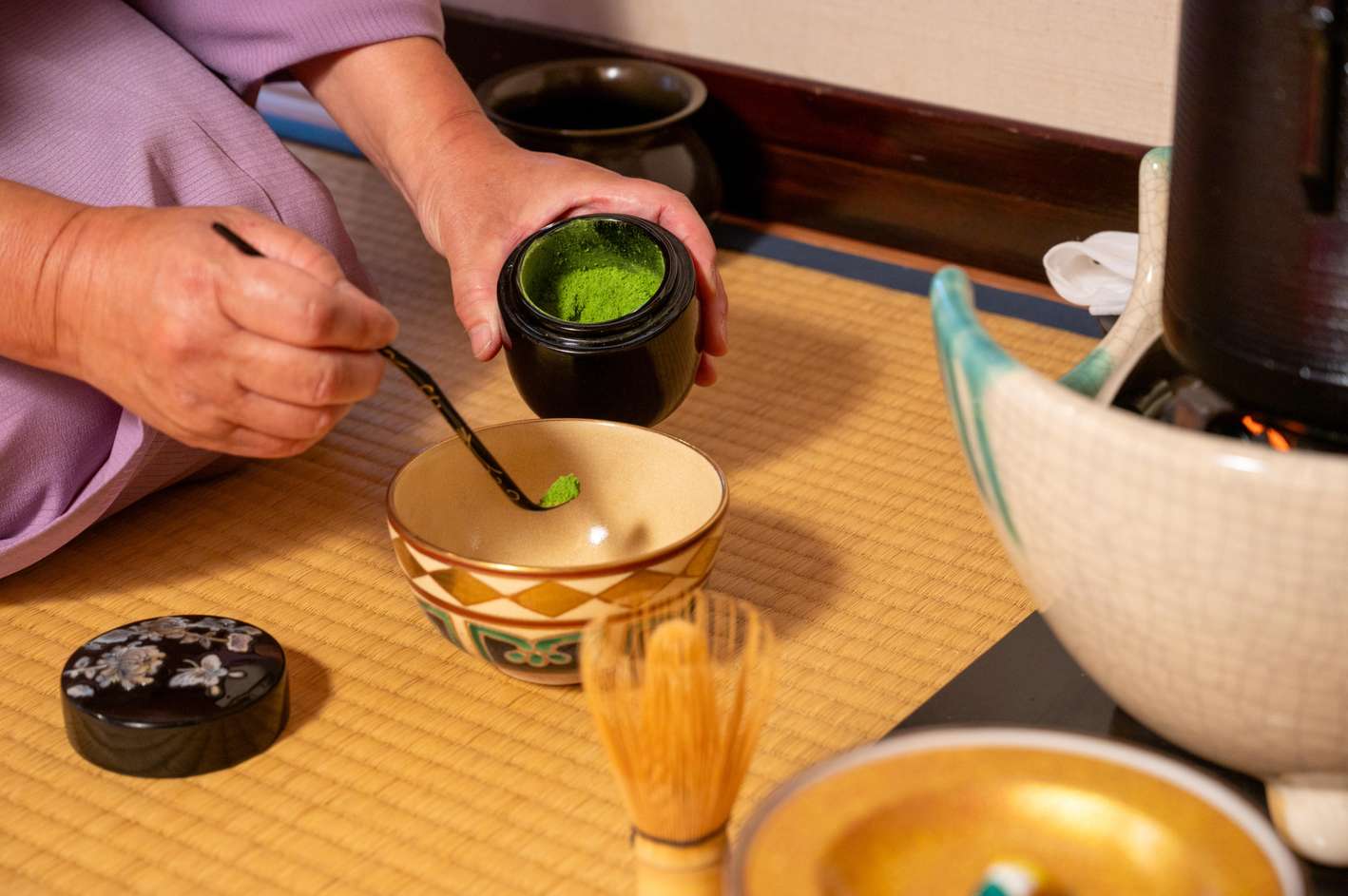
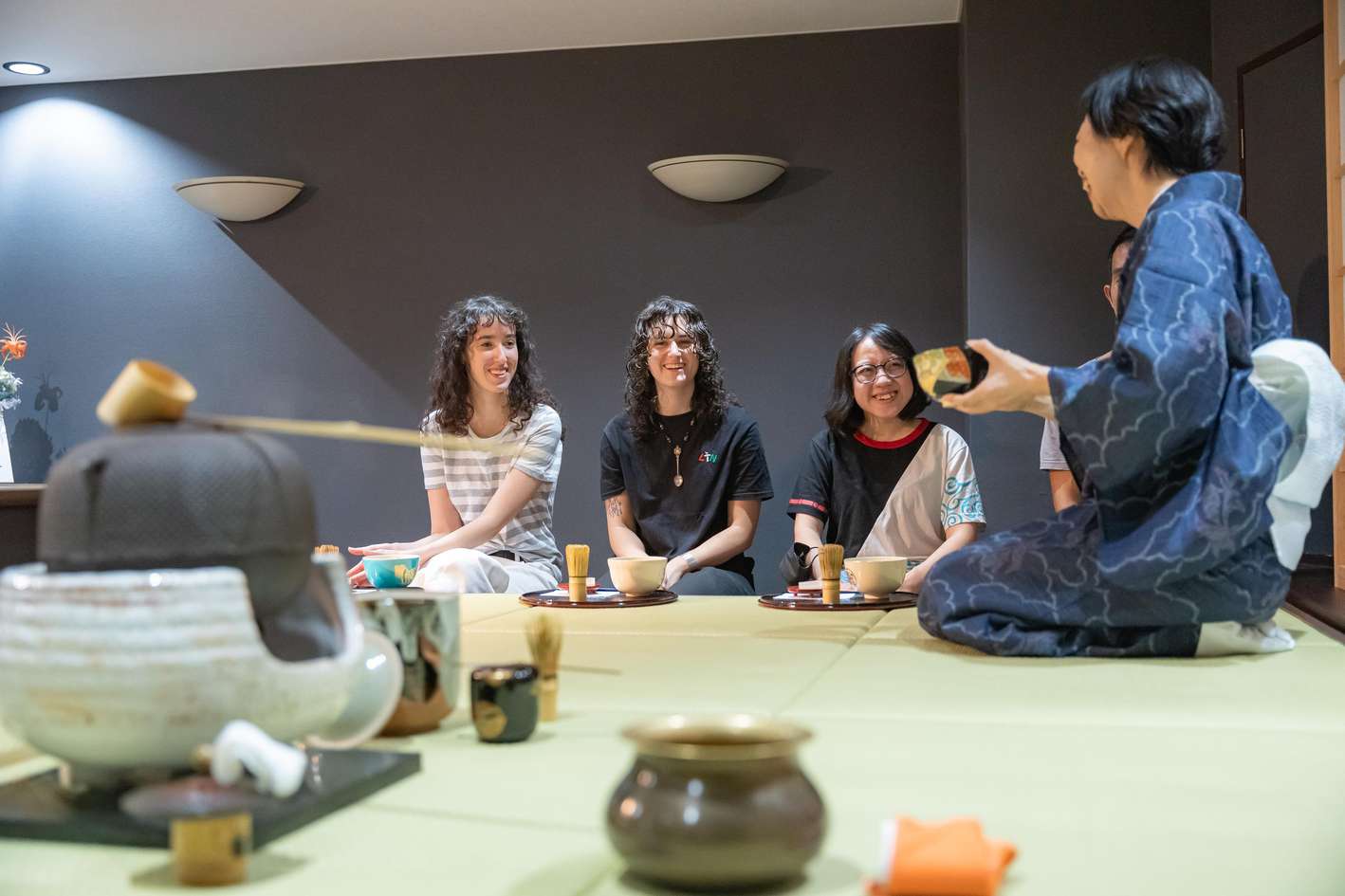
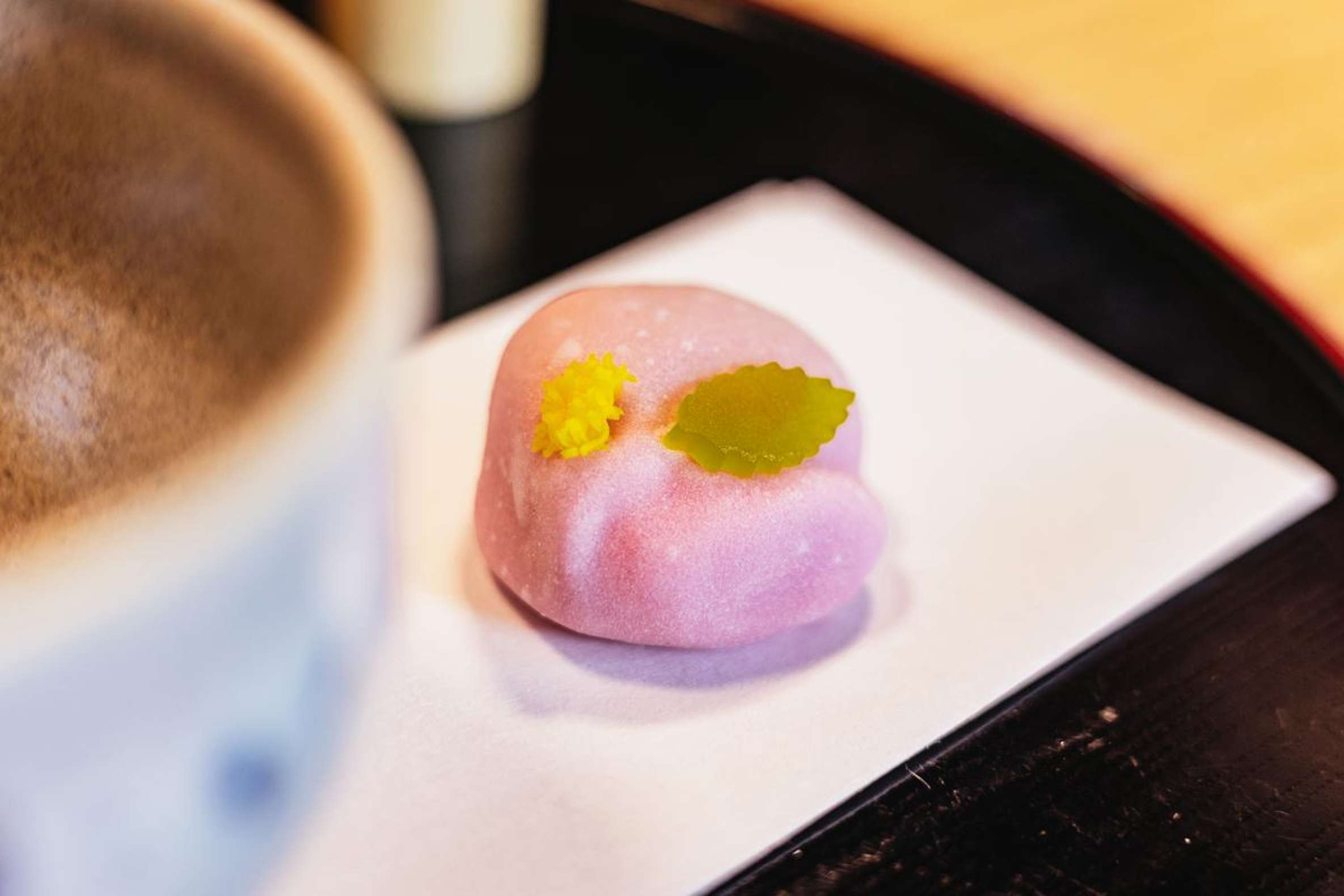
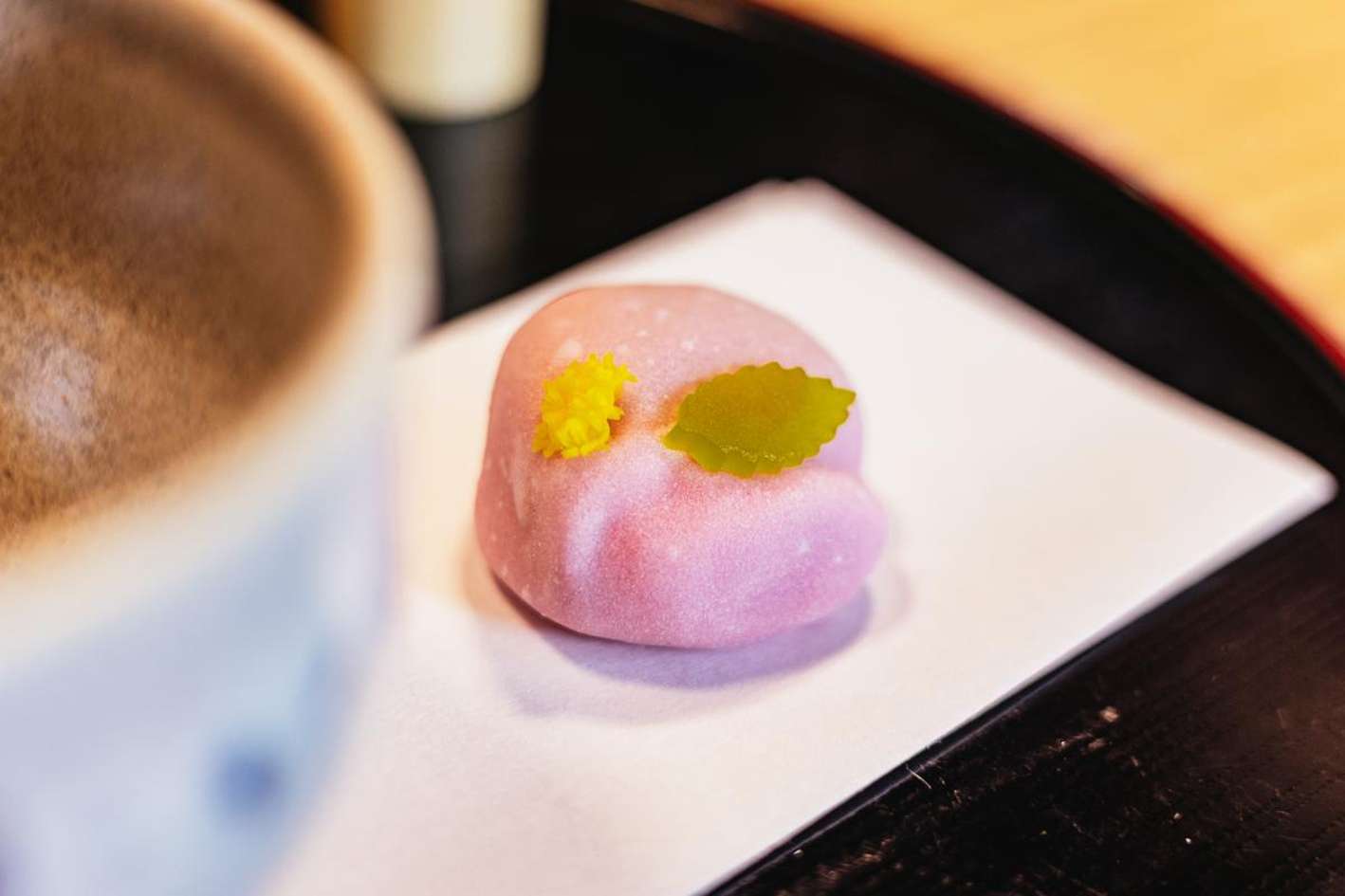
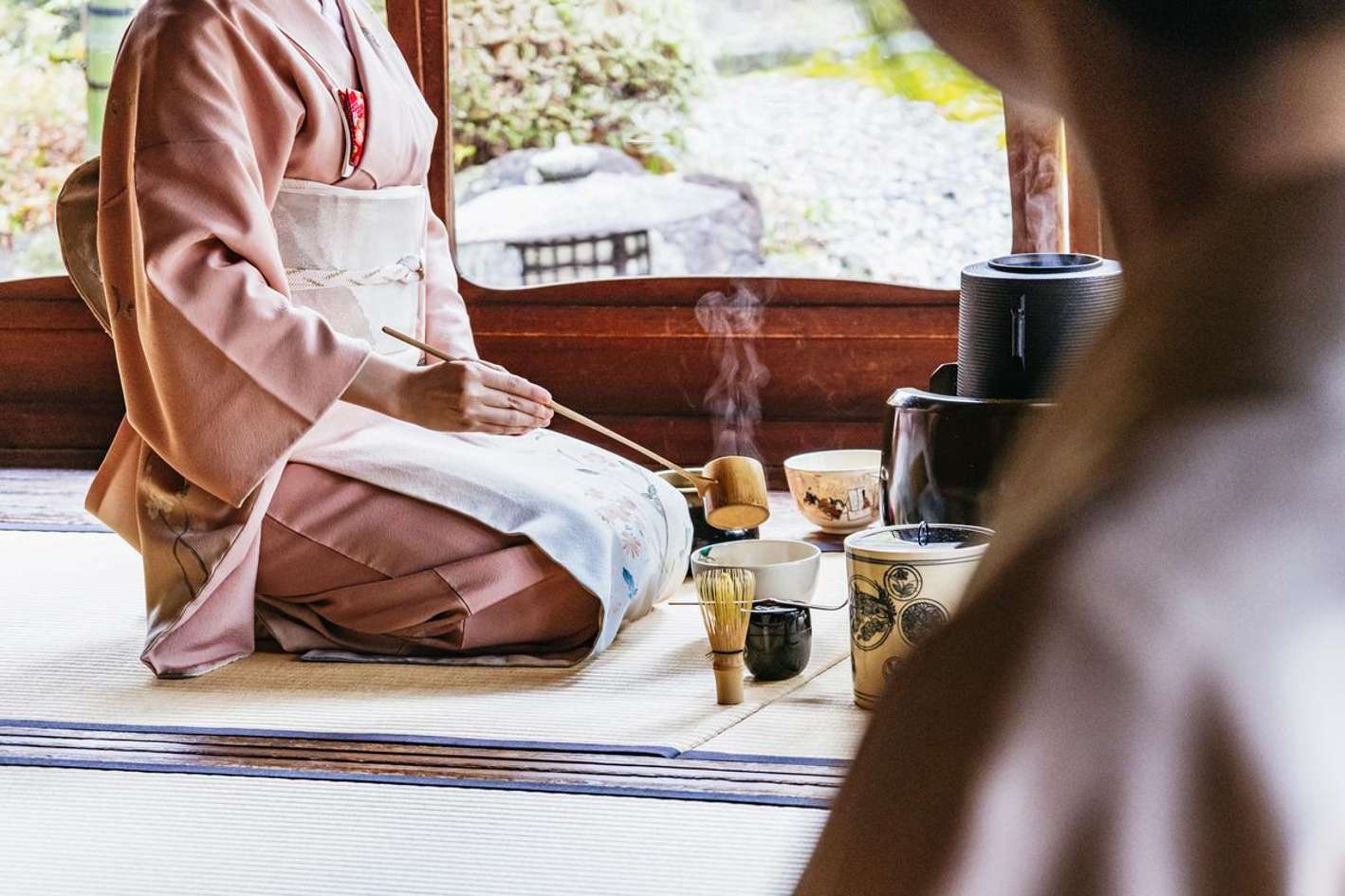
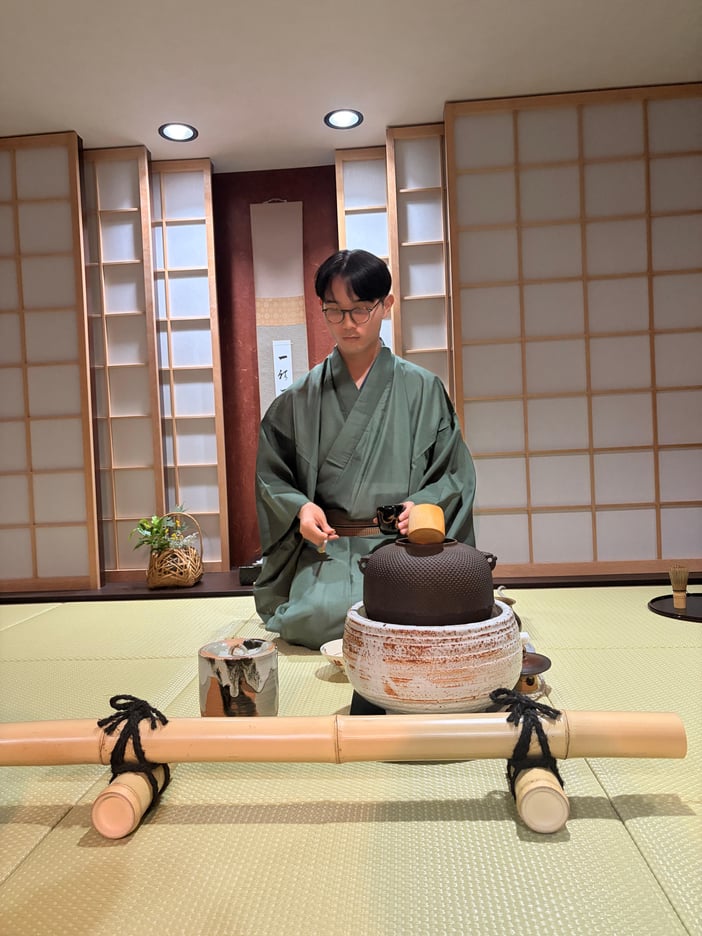
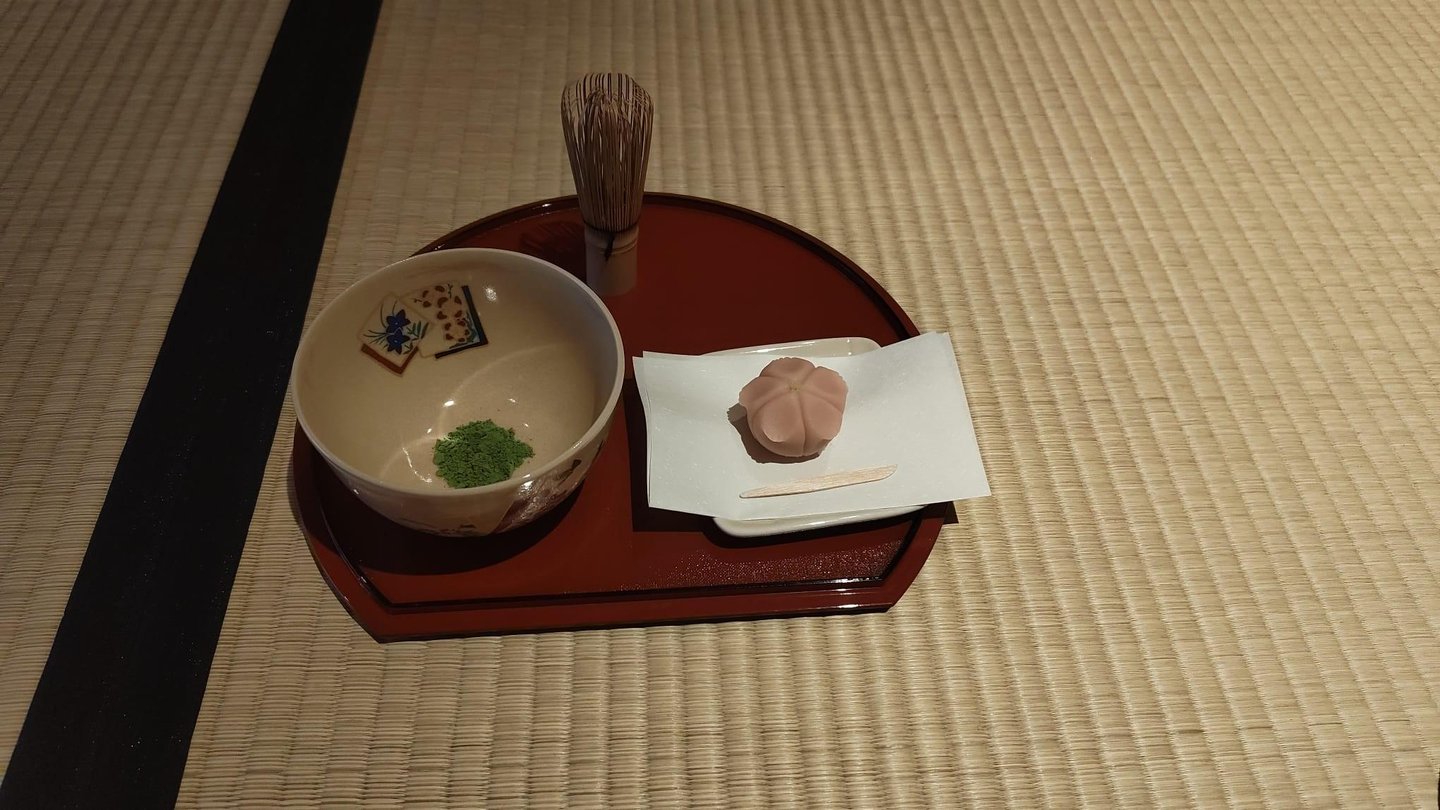
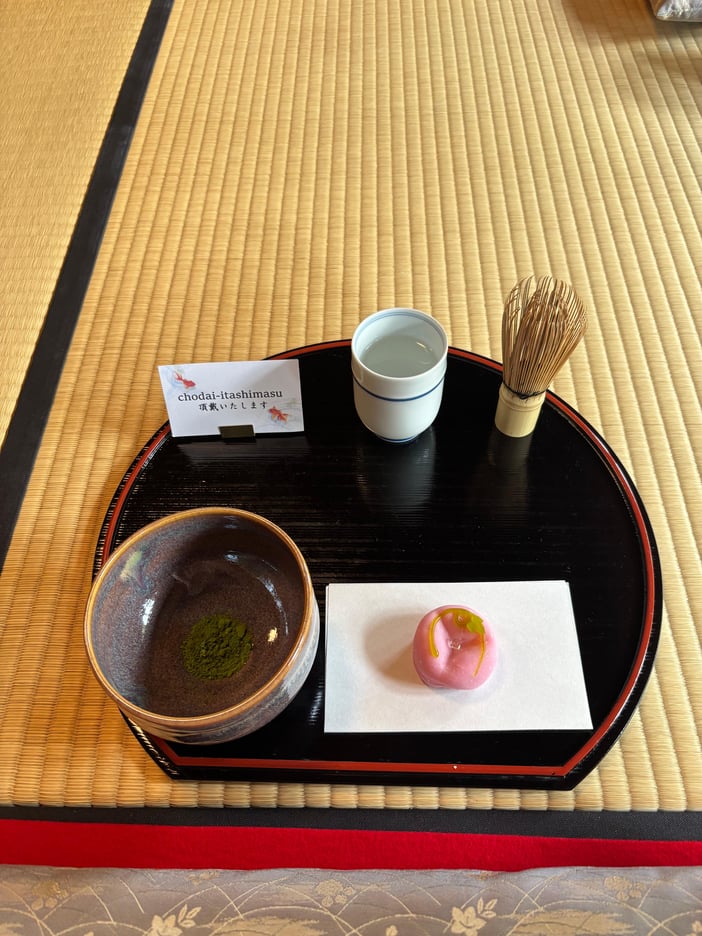
The master demonstrates the preparation of matcha while explaining the history, the utensils and the teachings of Sen no Rikyu. A traditional sweet comes first, always, because its sweetness balances the natural bitterness of the tea on your palate.
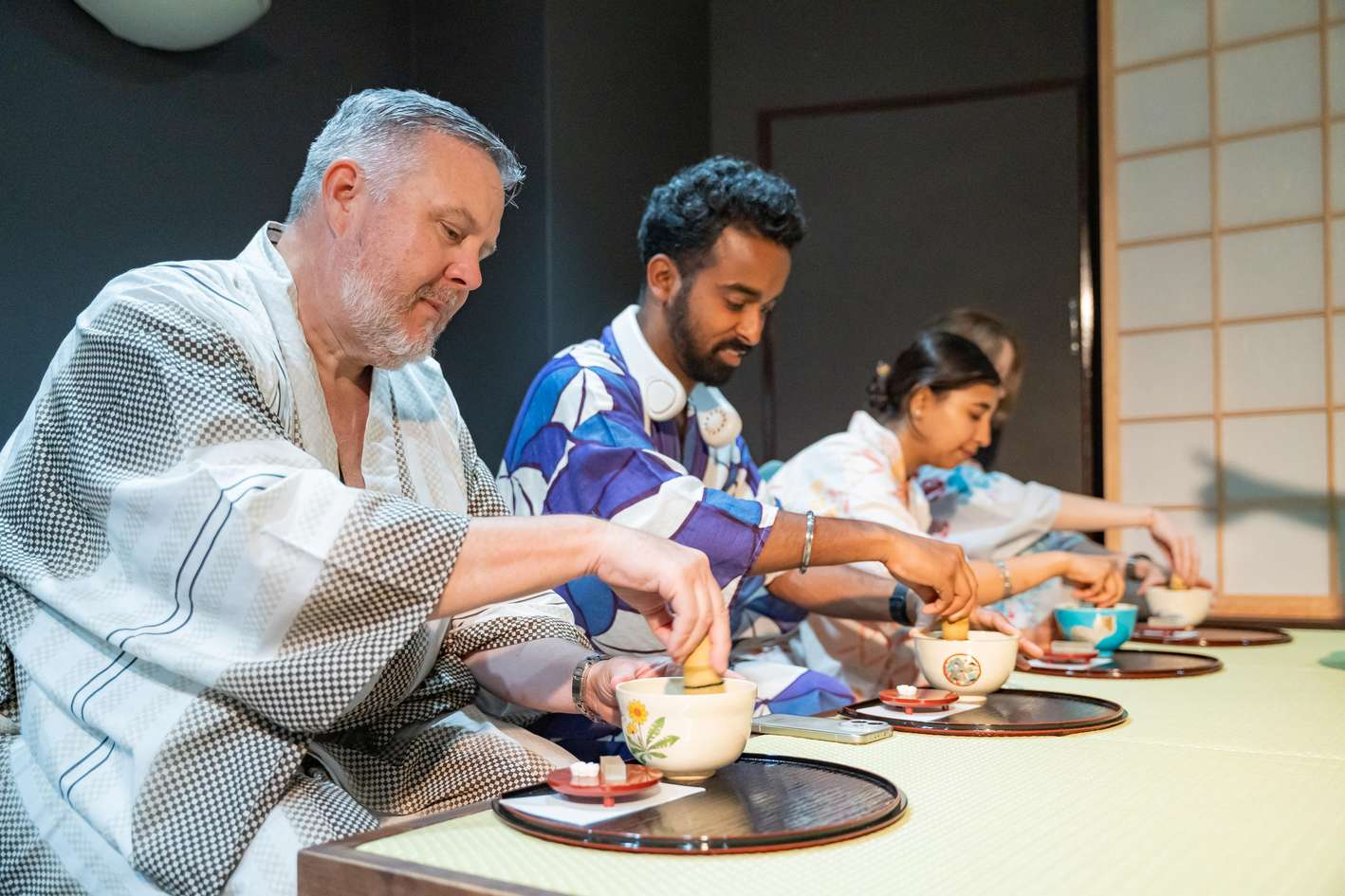
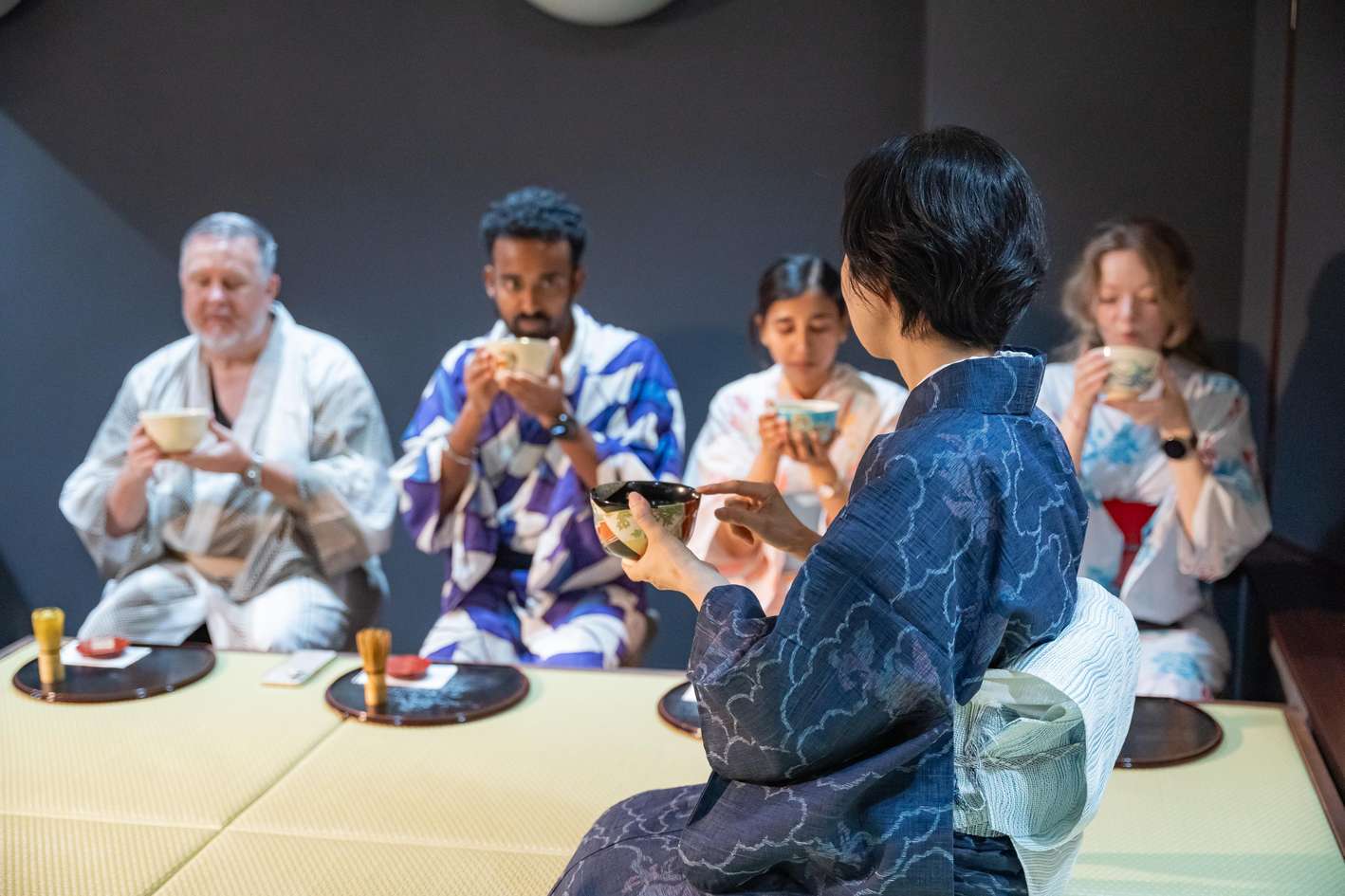
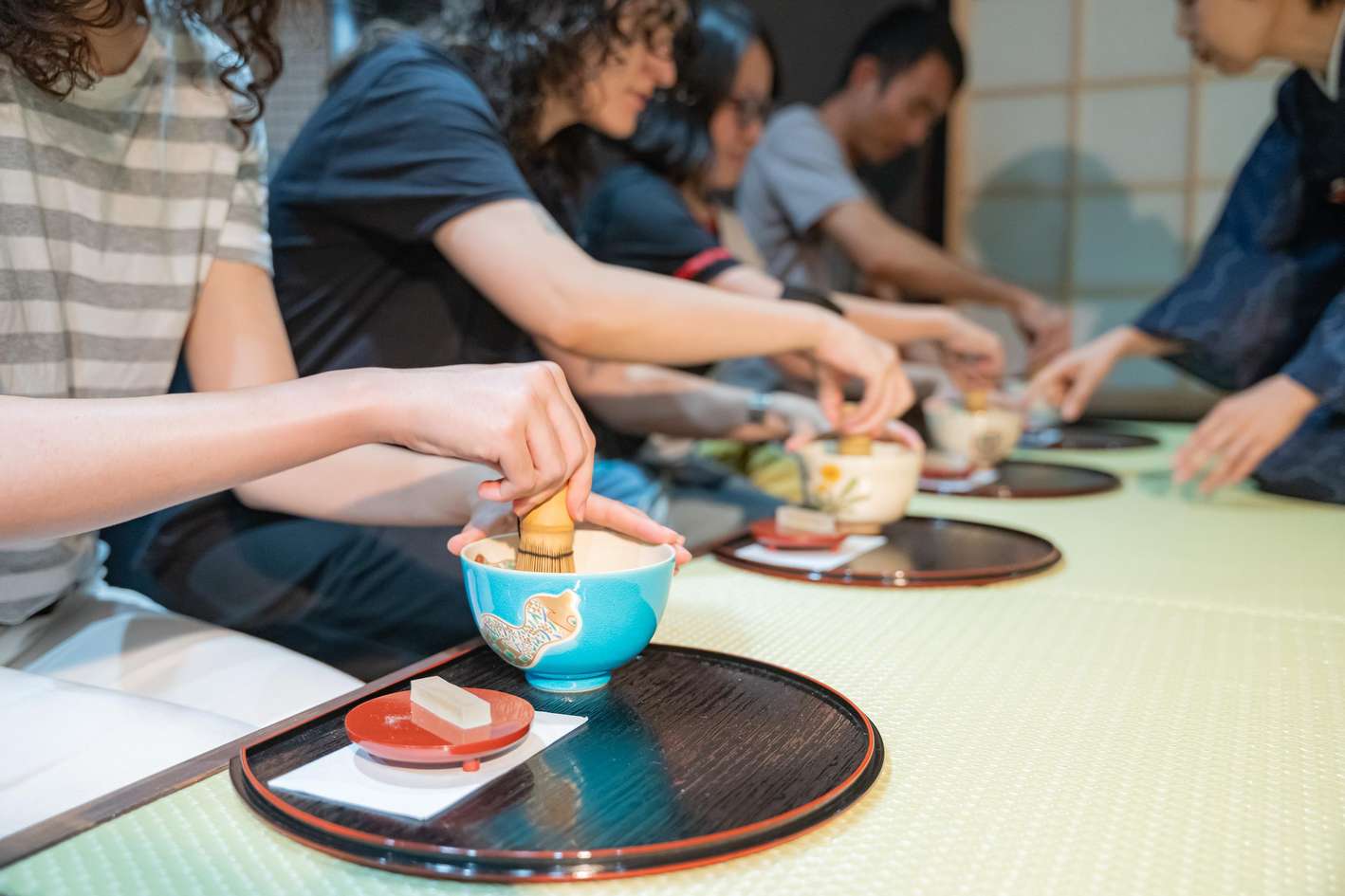
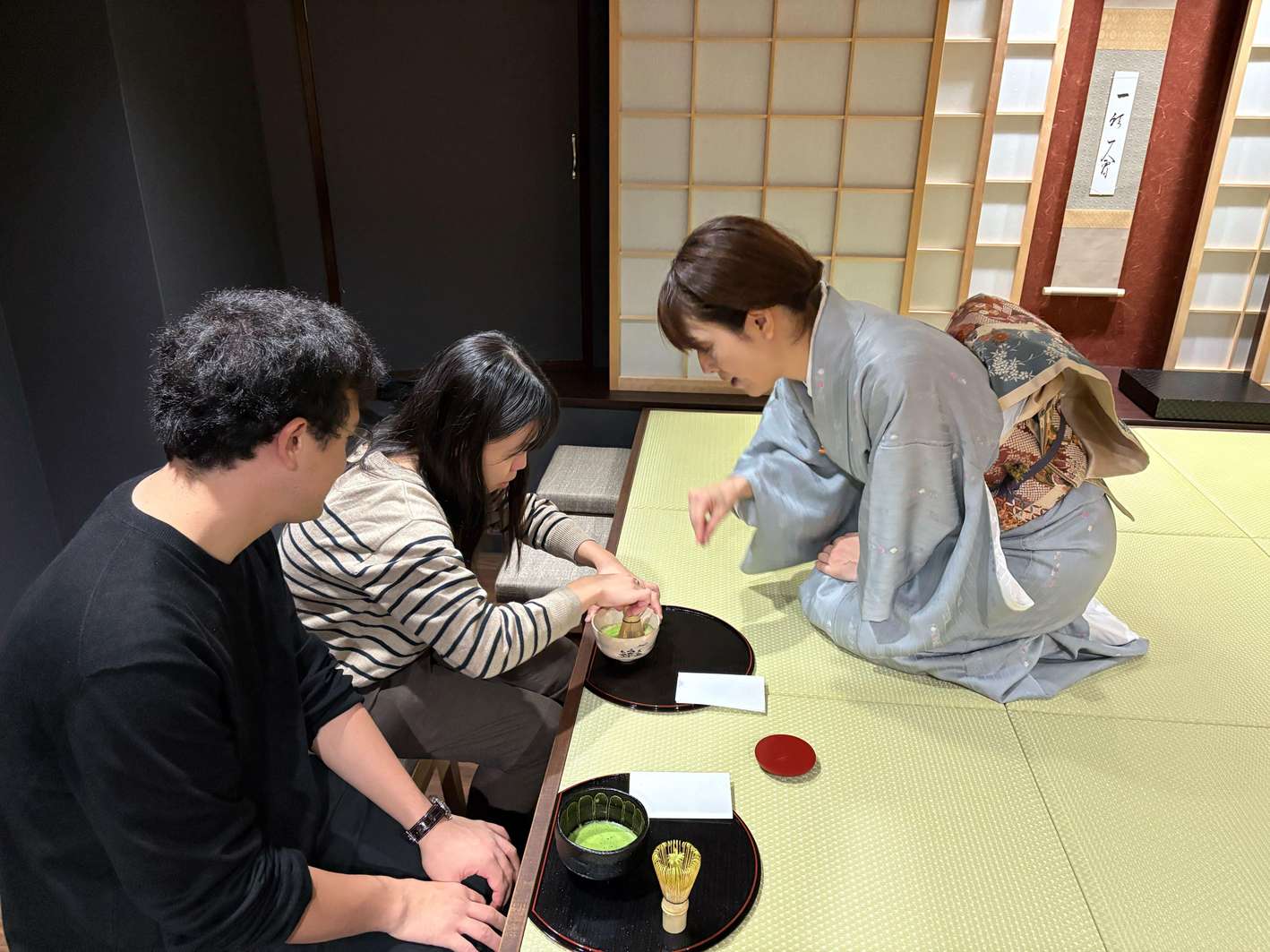
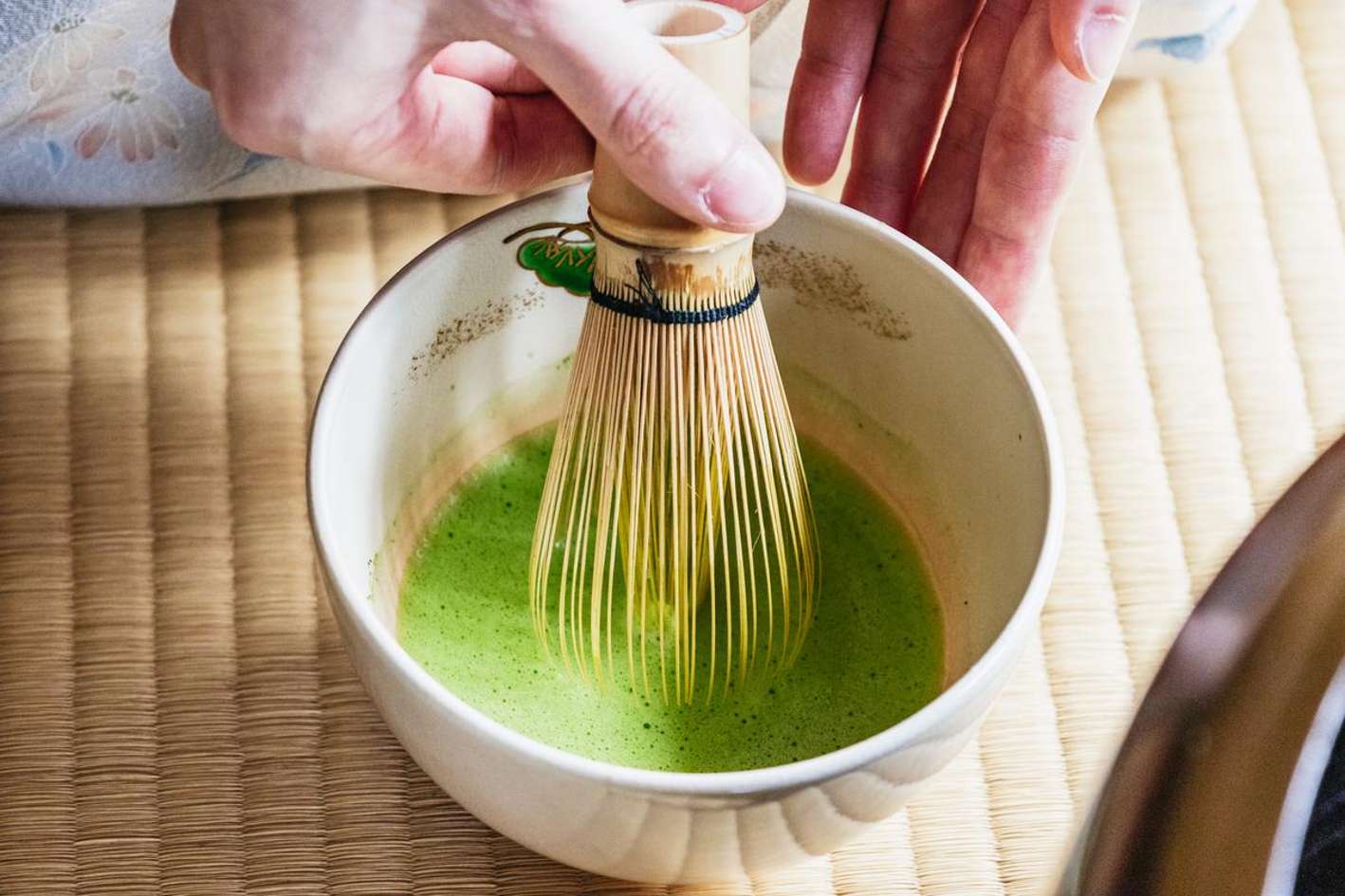
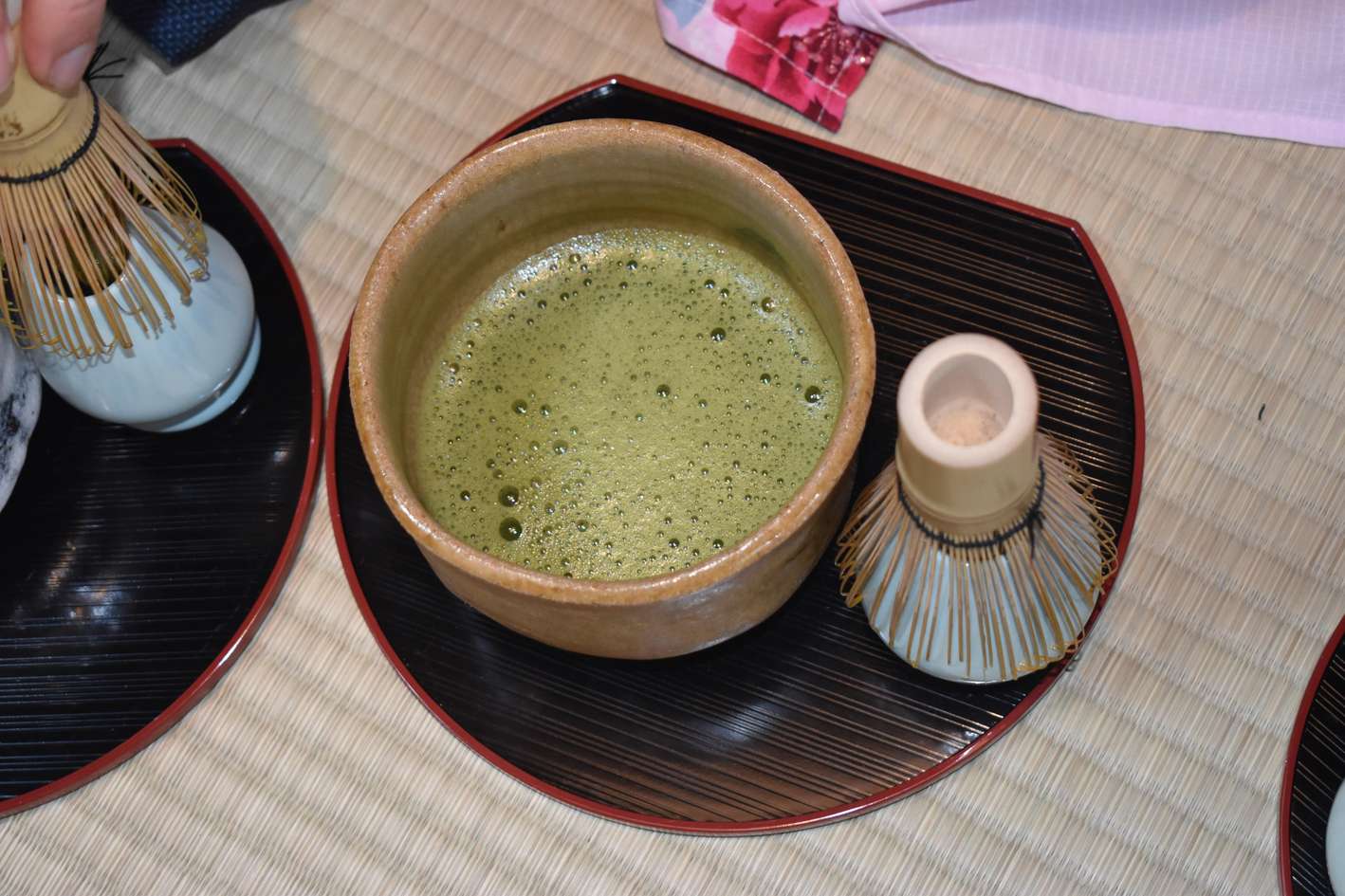
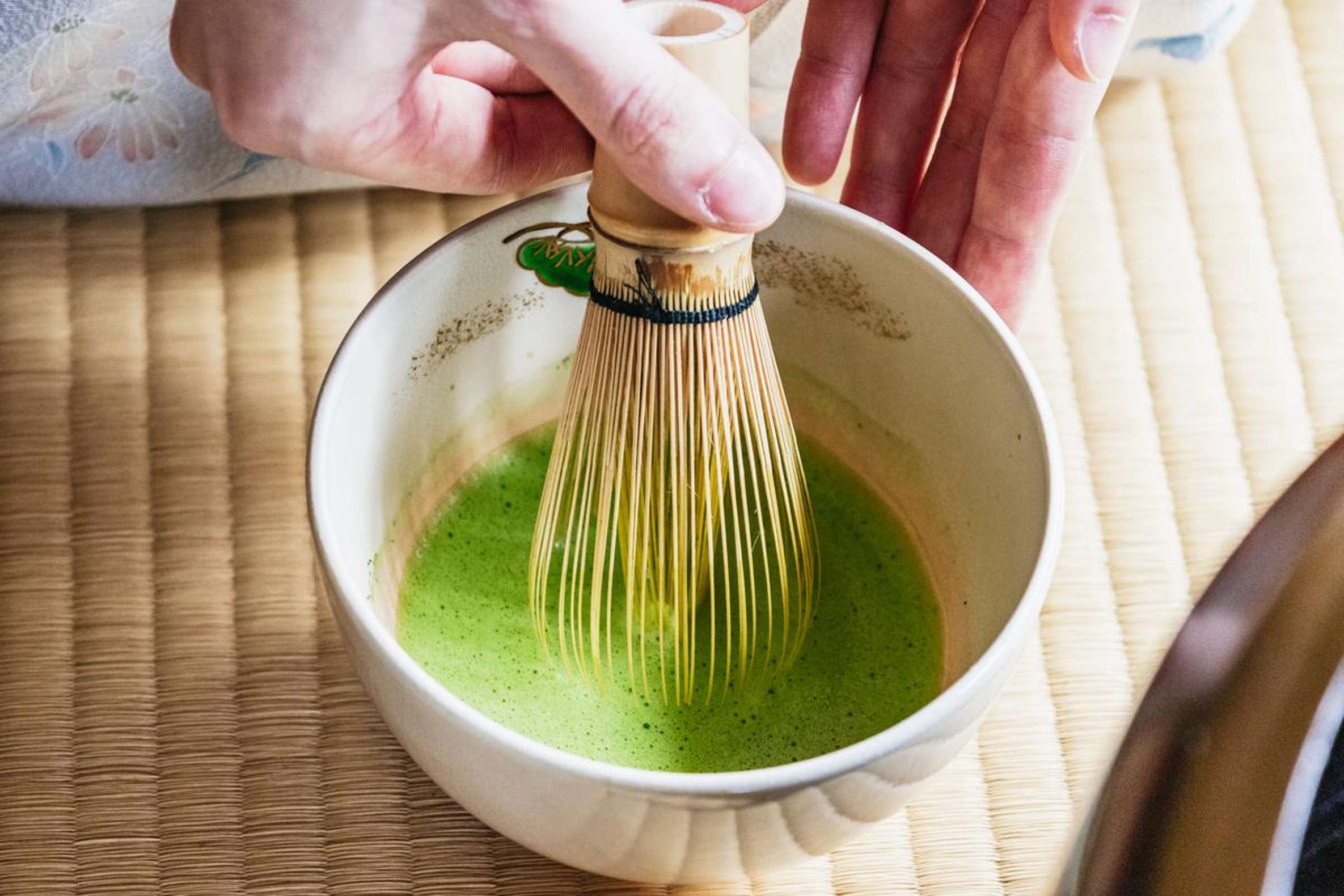
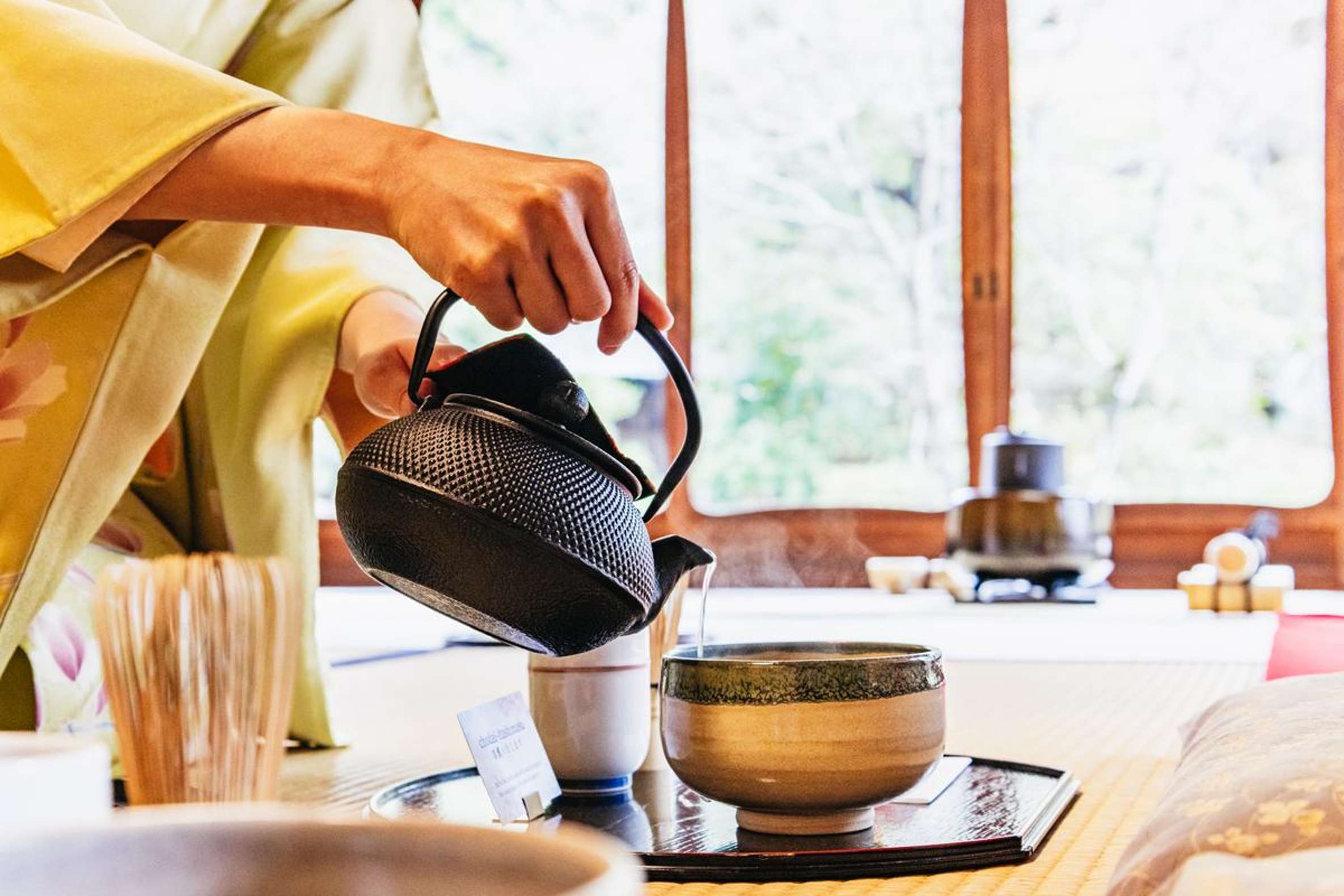
The part people remember comes last: you whisk your own bowl of matcha, guided through it, and in many sessions you pair up with another guest to serve each other the tea you made. Watching and doing are both part of the hour, and doing is what stays.
How the hour unfolds
1
Arrival
Shoes off, hands purified at the stone basin
Come 5 to 15 minutes early
2
The demonstration
The master prepares matcha and explains the utensils and history
Questions are welcome
3
Sweets first
A seasonal wagashi balances the tea's bitterness
Eaten before the tea, never after
4
Receiving the bowl
You turn the bowl before the first sip
A gesture of respect to the master
5
Your turn
You whisk your own bowl of matcha
Slow zigzag strokes, never circles
The timeline is flexible in practice, but keep the order: sweet before tea, and the turn of the bowl before the first sip.
The worry dissolves on contact. The introductory sessions exist precisely for people with no Japanese and no formal etiquette, and the hosts who run them explain the symbolism, the history and the preparation steps in English as they go. Small mistakes are routinely overlooked; nobody is keeping score.
The room itself is built to make everyone equal. In traditional tea houses, guests crawl through a low entrance, the nijiriguchi, which was designed so that everyone, swords included, had to bow their way in. Rank stayed outside.
A traveler's note
Very good! Warm welcome and a wonderful group atmosphere. You get delicious matcha prepared by the tea mistress herself, with a view of her beautiful garden. Interesting info beforehand, questions welcome after. Highly recommended!
Length is the first real choice, and it changes the feel of the whole hour. A standard introductory session runs 40 to 60 minutes, and shorter casual formats run 30 to 45 minutes. Sessions that add kimono dressing stretch to 90 minutes or two hours.
That second range is where the complaints come from. Some visitors describe the 40-minute sessions as feeling commercialized, moved through like a turnstile, without time to absorb the ritual steps.
The 40-minute mark sits inside the standard range, but the shorter the session, the more the schedule shows through. If depth matters to you, take the standard hour or longer.
The full formal gathering, the chaji, lasts up to four hours and includes a kaiseki meal, a charcoal fire built in front of the guests and a shared bowl of thick tea.
That one requires an invitation, so for a traveler it sits outside the choice; what you are choosing among are the 40-minute to two-hour formats.
Three ways in, three different feels. A shared group session in a preserved townhouse seats a small group and stays welcoming and intimate, with room to talk to the English-speaking host. It suits first-timers and anyone traveling with others.
A private machiya booking gives the room to yourselves. Couples and honeymooners tend to choose it for the intimacy; solo travelers choose it for the quiet.
A hands-on whisking workshop goes deepest on participation, best if you want to understand the ritual itself. And observation itself is a legitimate option: watching a practitioner and receiving tea and a sweet gives a cultural overview without committing to the floor.
Three ways to take tea
Shared townhouse session
Private machiya booking
Hands-on workshop
Group size
Shared group, small room
Your group only
Small group
Participation
Watch, then whisk your own bowl
Full ceremony, private host
Deeper hands-on practice
Formality
Informal and welcoming
Host and ceremony only
Structured lesson
Best for
First-timers
Couples and solo travelers
Travelers who want depth
Shared townhouse session
Group size
Shared group, small room
Participation
Watch, then whisk your own bowl
Formality
Informal and welcoming
Best for
First-timers
Private machiya booking
Group size
Your group only
Participation
Full ceremony, private host
Formality
Host and ceremony only
Best for
Couples and solo travelers
Hands-on workshop
Group size
Small group
Participation
Deeper hands-on practice
Formality
Structured lesson
Best for
Travelers who want depth
The Orizuruya Gion session covers the middle ground well: the Kyoto: Kimono Tea Ceremony at Orizuruya Gion runs 1.5 to 2 hours with a kimono, an expert to dress you and a bowl you whisk yourself.
Tour for this
Kyoto: Tea Ceremony in a Garden Tea House near Kiyomizu-dera4.8★ (4,618) · 45 minutes · Free cancellation
Where the sessions happen and what the settings feel like
The setting does half the work of the experience, so choose it deliberately. A Zen temple session, like the one at Jotokuji Temple, carries the weight of the grounds themselves; you enter through the temple gates and the tea room sits inside a working temple.
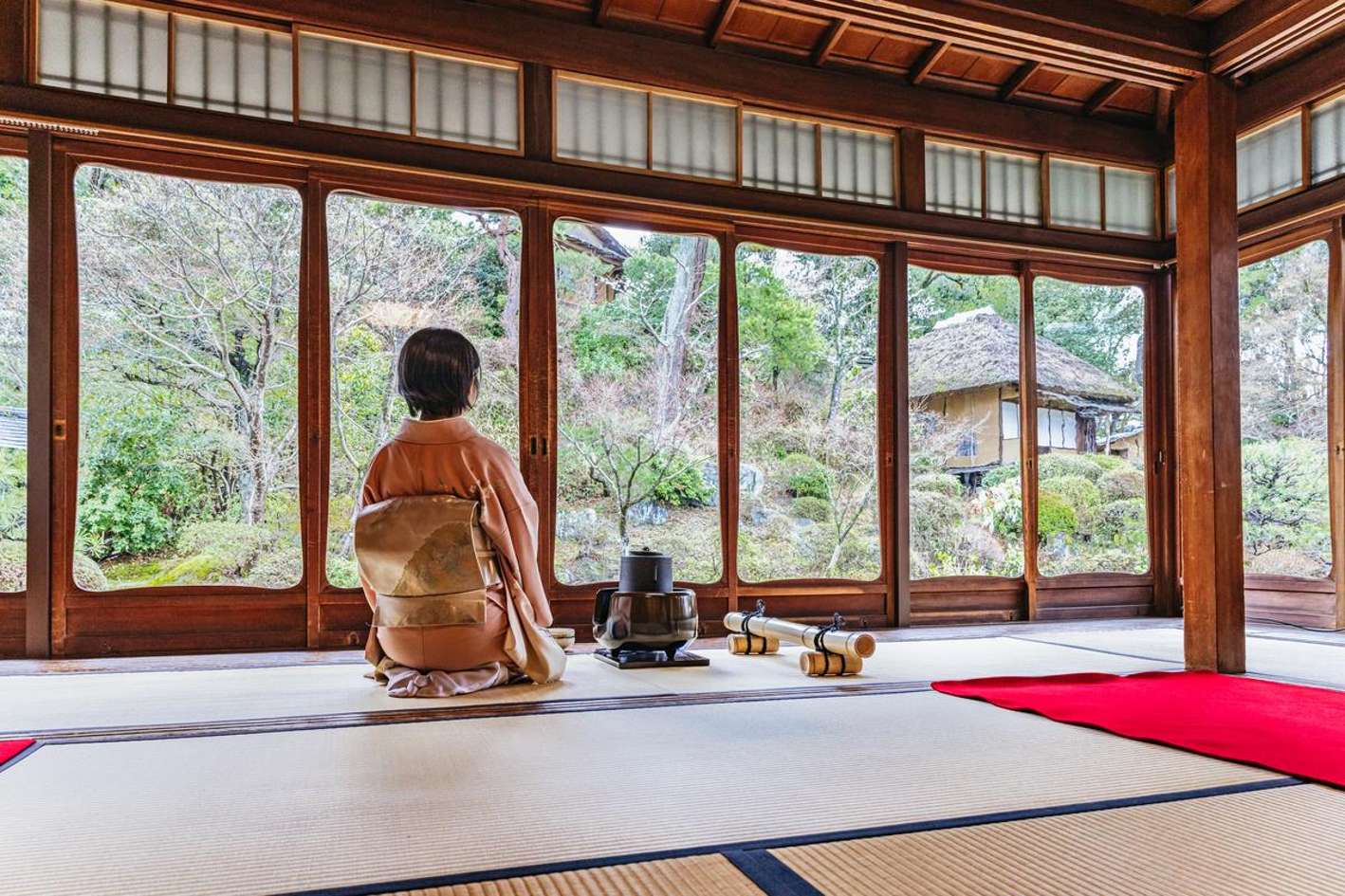
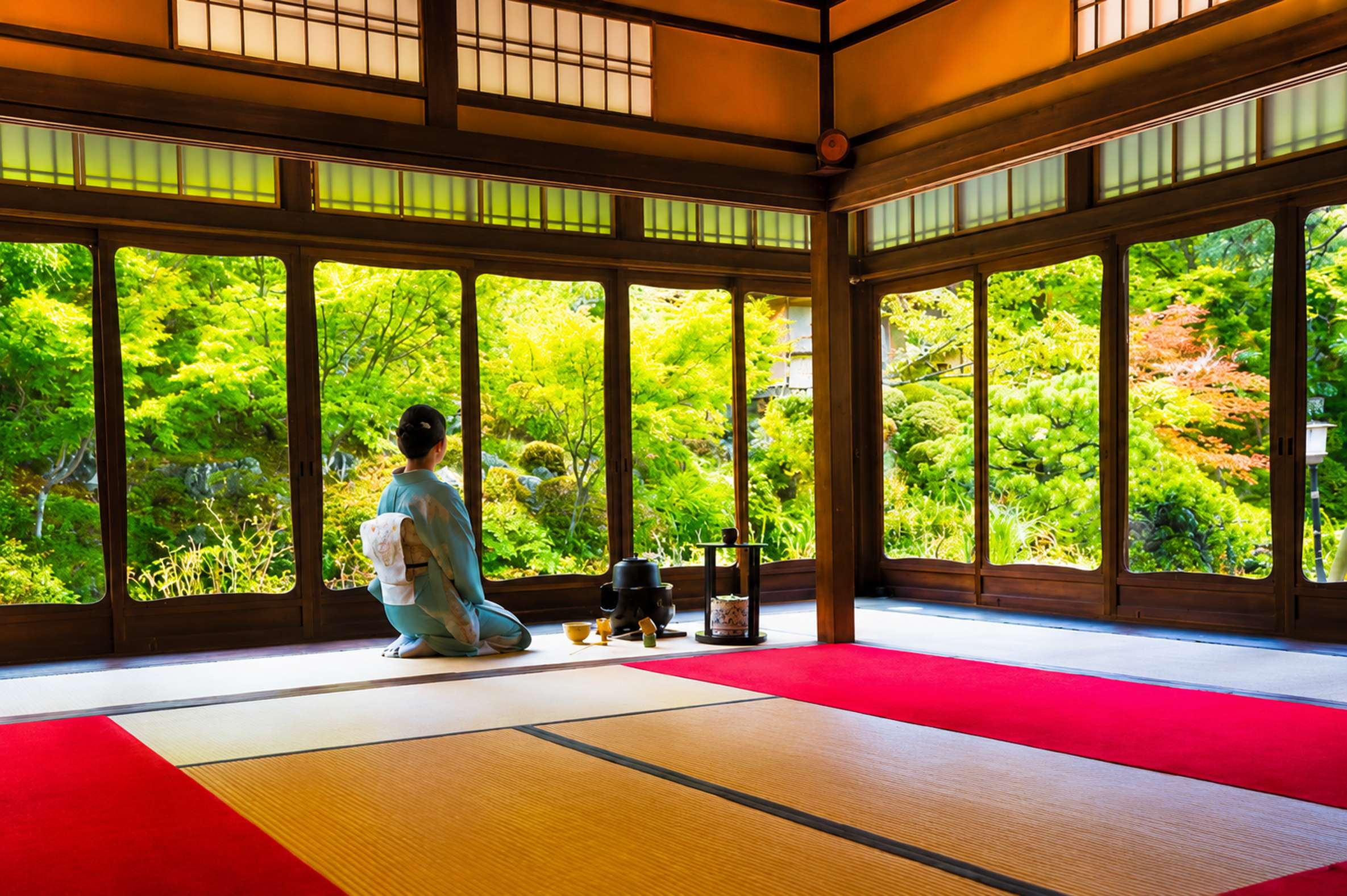
A garden tea house near Kiyomizu-dera feels scenic and less formal. Greenery, stone paths and filtered light connect the ritual to the outdoors, and the roji garden path is designed to shed the outside world step by step before you reach the door.
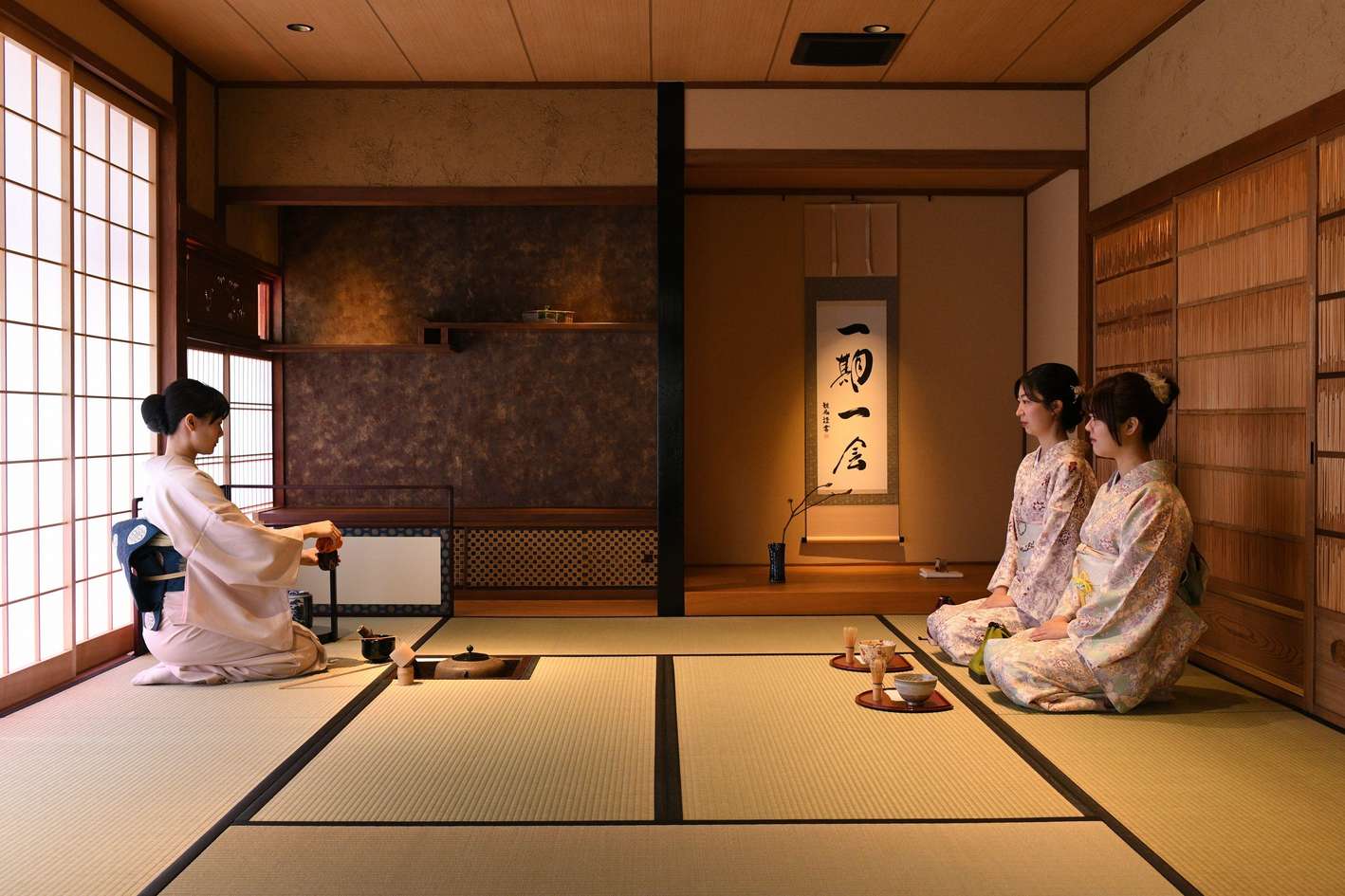
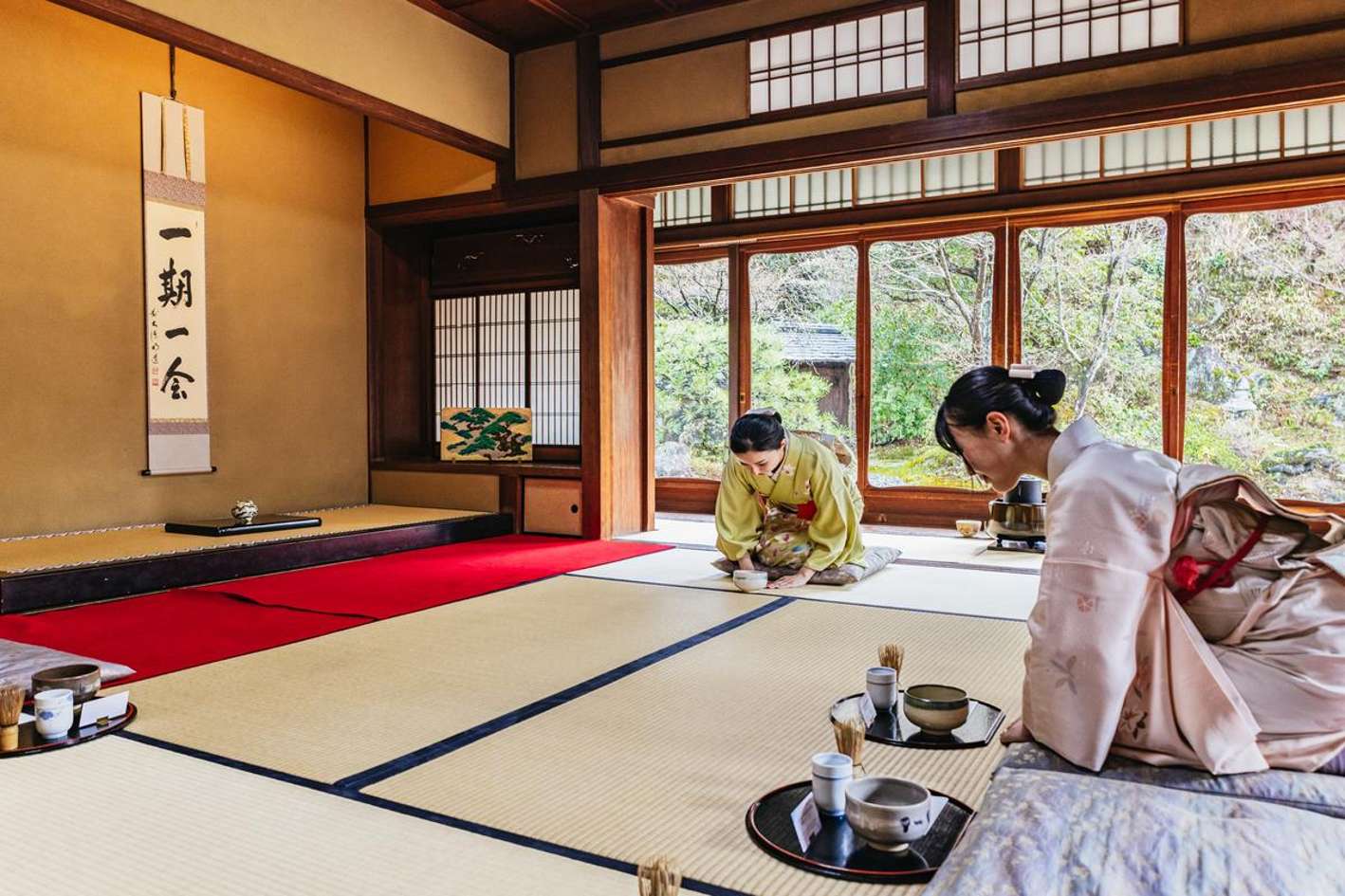
A machiya townhouse feels lived-in: tatami, low conversation, careful movements, rooms that have aged a century. The 100-year-old Kyo-Machiya session keeps a quiet atmosphere for that reason.
What nobody tells you
The roji garden path
Each stone is a step away from everyday concerns; the walk itself is part of the ceremony
The crawl-in entrance
Everyone must bow through it, so every guest enters equal
Four and a half tatami mats
A classic tearoom is that small by design, which is why the room feels close and warm once you are inside
Two calendars shape the decision. The year's: April and November are the most beautiful months and the busiest, when popular slots fill well in advance and walk-ups are unreliable.
December through February stay quiet, and winter has its own reward: the unheated wooden tea rooms gather around an open sunken hearth, glowing charcoal and steaming kettles within arm's reach. Summer heat stays manageable indoors, where cross breezes through the sliding screens can drop the room a few degrees below the street.
The day's matters just as much. Morning sessions between 9 am and 11 am get the quietest streets in Gion and Higashiyama, before day-tripper crowds build. Late afternoon, from 3:30 pm to 5 pm, gives the softest garden light if you want photographs.
That leaves the middle of the day as the crowded stretch, and the early evening as the atmospheric one. Book the morning slot first and plan the rest of the day around it.
Getting there from Kyoto Station without losing your start time
City buses between Kyoto Station and Gion stall in traffic often enough to cost you your start time, and tea houses run late arrivals hard: some lock the doors at the start, and one operator near Kiyomizu-dera denies entry once 30 minutes have passed, with no refund. Build the buffer first, shave minutes second.
The rail route is the one to use. The JR Nara Line runs one stop to Tofukuji, a transfer to the Keihan Main Line takes you to Gion-Shijo or Kiyomizu-Gojo, and the whole trip takes around 15 minutes.
For northern Higashiyama, the subway gets you there in about the same time. Walking the 2.8 km works if the schedule allows it.
Leave a cushion on top of the 15 minutes either way: the late-entry rules do not bend for train delays either.
What to wear, what to take off, and how to sit
The etiquette sounds strict until you see that every rule protects something fragile. Bare feet never touch the tatami; clean socks are the requirement, and a fresh white pair is the traditional courtesy. Shoes come off at the entrance, so slip-ons beat laces.
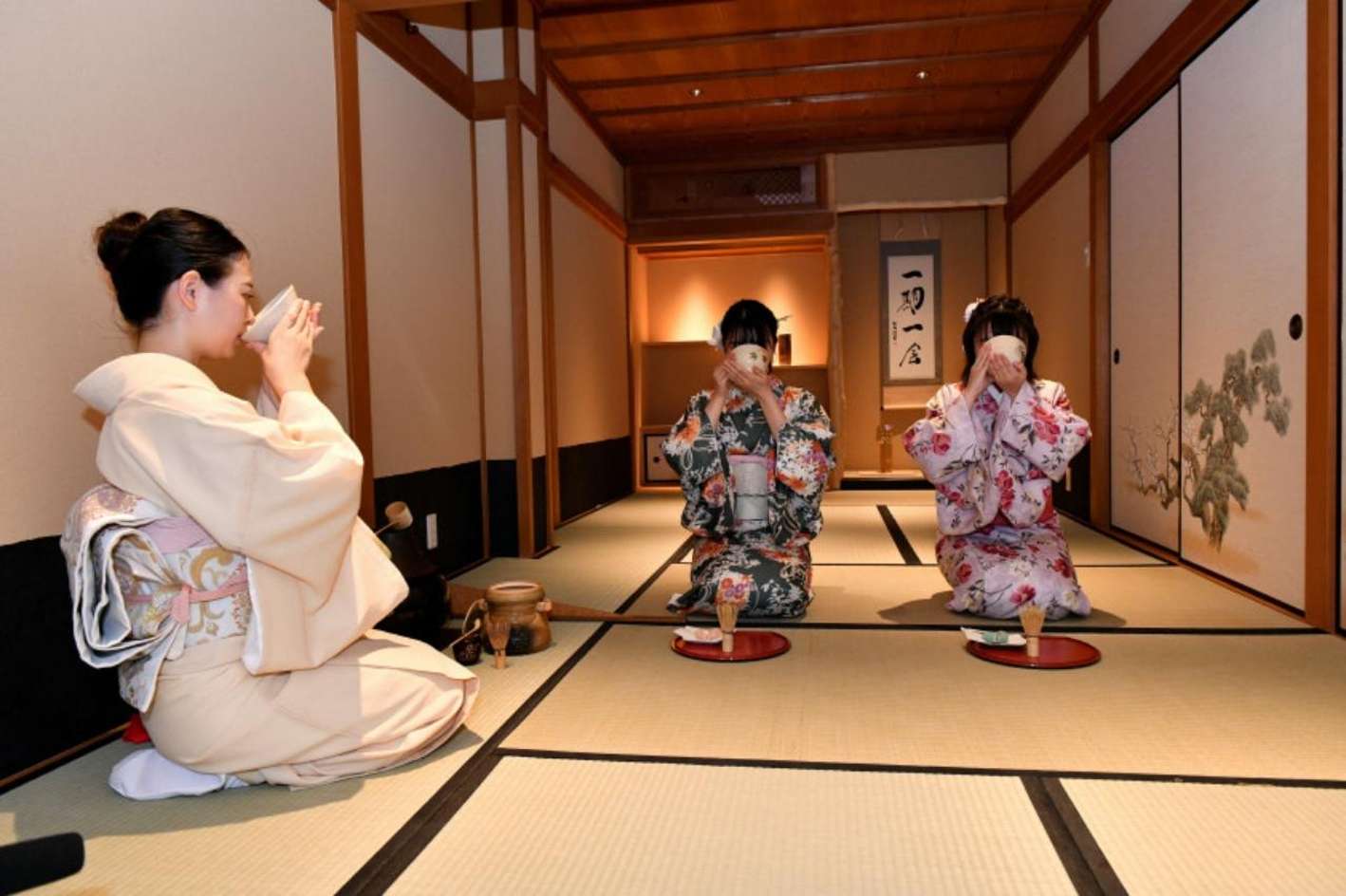
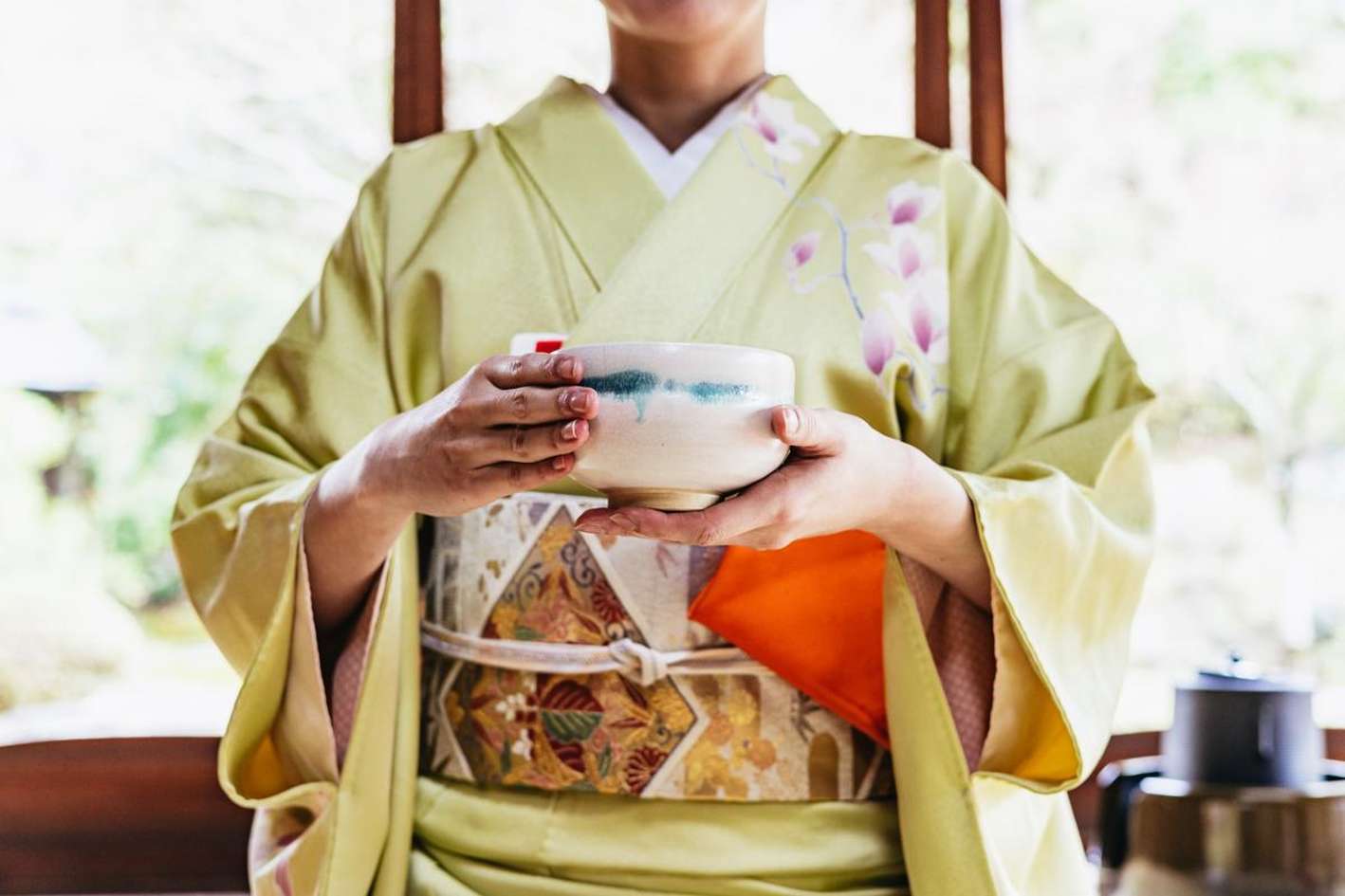
Jewelry comes off before the tea. Rings and watches can scratch or crack the ceramic bowls when you lift them with both hands, and some of those bowls are precious enough that guests hold them close to the floor to admire them.
Strong perfume stays at the hotel too, because the scent of the matcha is part of the experience.
When your legs go numb, shift without ceremony: cross-legged or side-sitting is fine as long as your feet stay tucked away, never pointed at the host. Every procedure, including whisking, is performed right-handed, even for left-handers.
Allergies, caffeine, children, and access - will the session work for you?
A few checks before booking settle whether the session fits you. Knees and backs: chairs exist. Jotokuji Temple provides seats and stools, the 100-year-old townhouse offers a small chair, and the Karasumashijo venue sets out bamboo chairs on advance request.
Allergies deserve attention. Wagashi often contain wheat, soy or nuts, and shared equipment adds cross-contact risk, so verify ingredients with staff if your allergy is serious. Caffeine is simpler: there is no decaf matcha, so if you cannot tolerate it, notify the host in advance and take one tiny courtesy sip or plain hot water.
Age minimums vary by venue and are enforced. Children 6 and under are not admitted at one operator near Kiyomizu-dera, 4 and under at Jotokuji Temple, 5 and under at one Gion tea ceremony, and the townhouse session takes guests 10 and above only.
Wheelchair access is uneven in old townhouses, where steep stairs and a raised entrance step are common.
What happens if the day changes
If this happens
What happens then
Caffeine intolerance
Notify the host in advance for a courtesy sip or plain hot water; no decaf exists
A serious allergy
Verify wagashi ingredients with staff before the session
Knees or backs object
Request chair seating in advance at the venues that offer it
Children under the venue's minimum
Book a different venue or a family-oriented session
None of these are reasons to skip the session; they are reasons to book the right venue the first time.
Booking, kimono add-ons, and the fine print that changes your day
Book early and the rest of the fine print shrinks. During cherry blossom and foliage season, sessions sell out 6 to 8 weeks ahead, so reserve first and plan the surrounding day second.
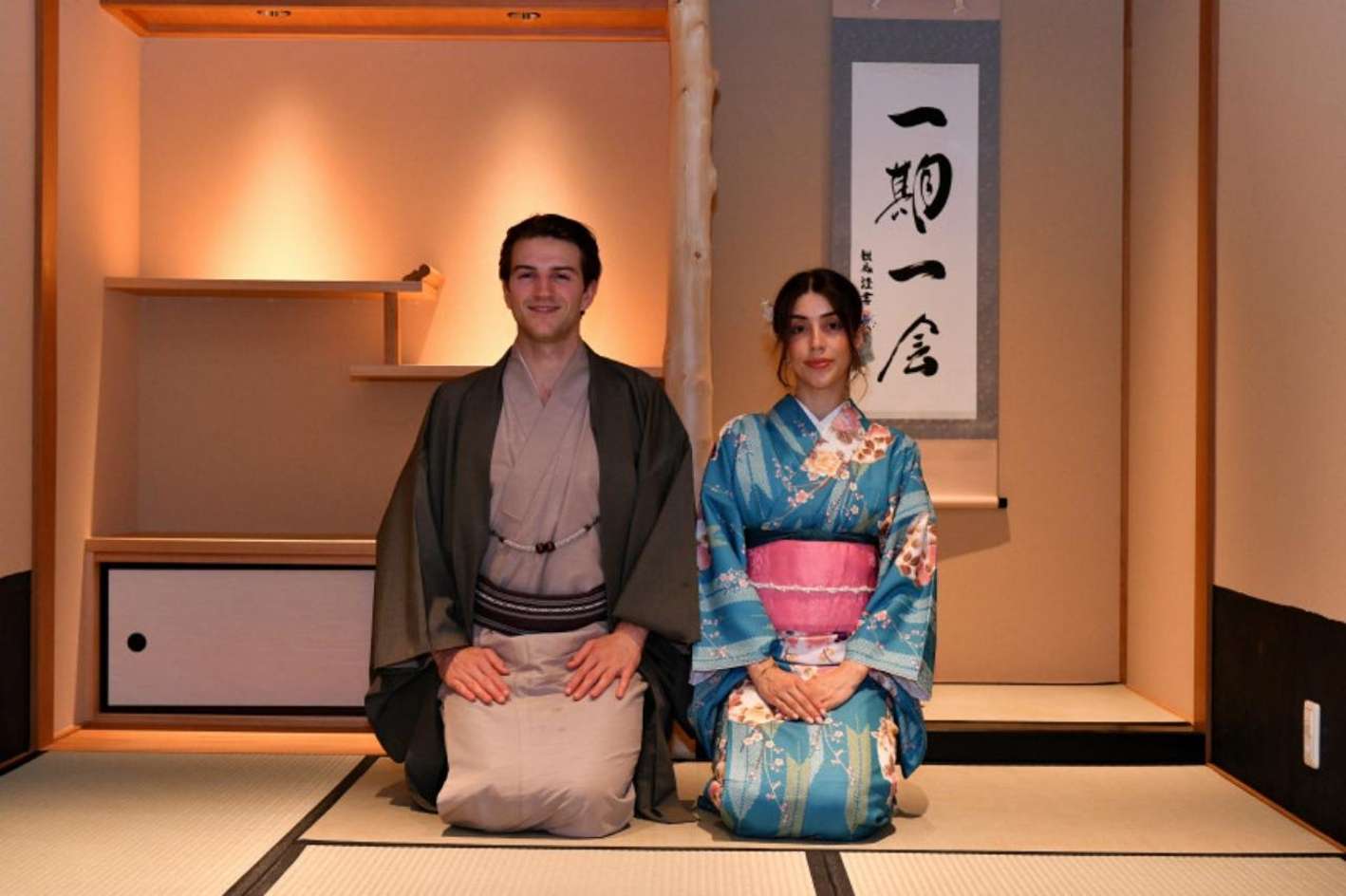
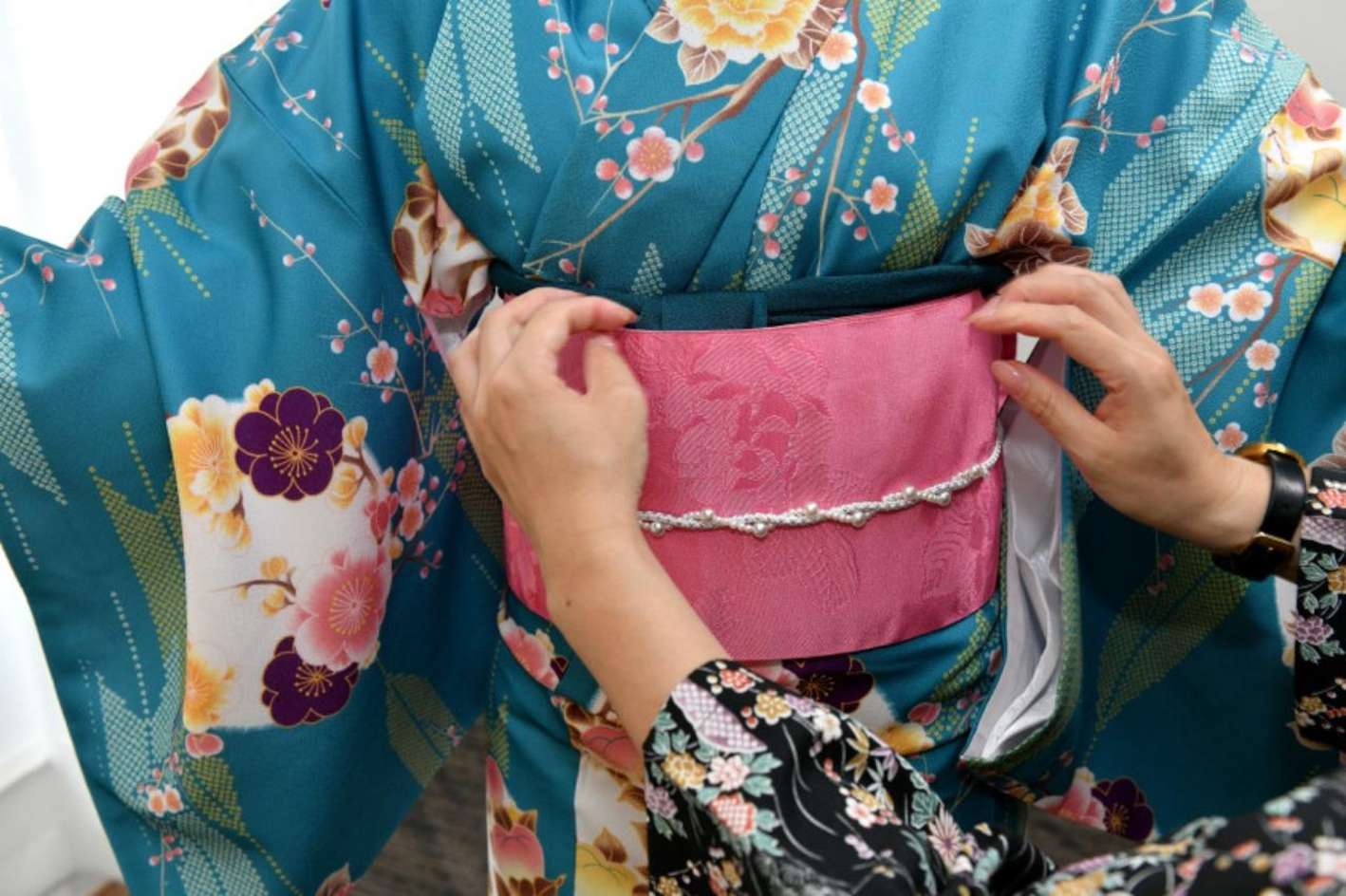
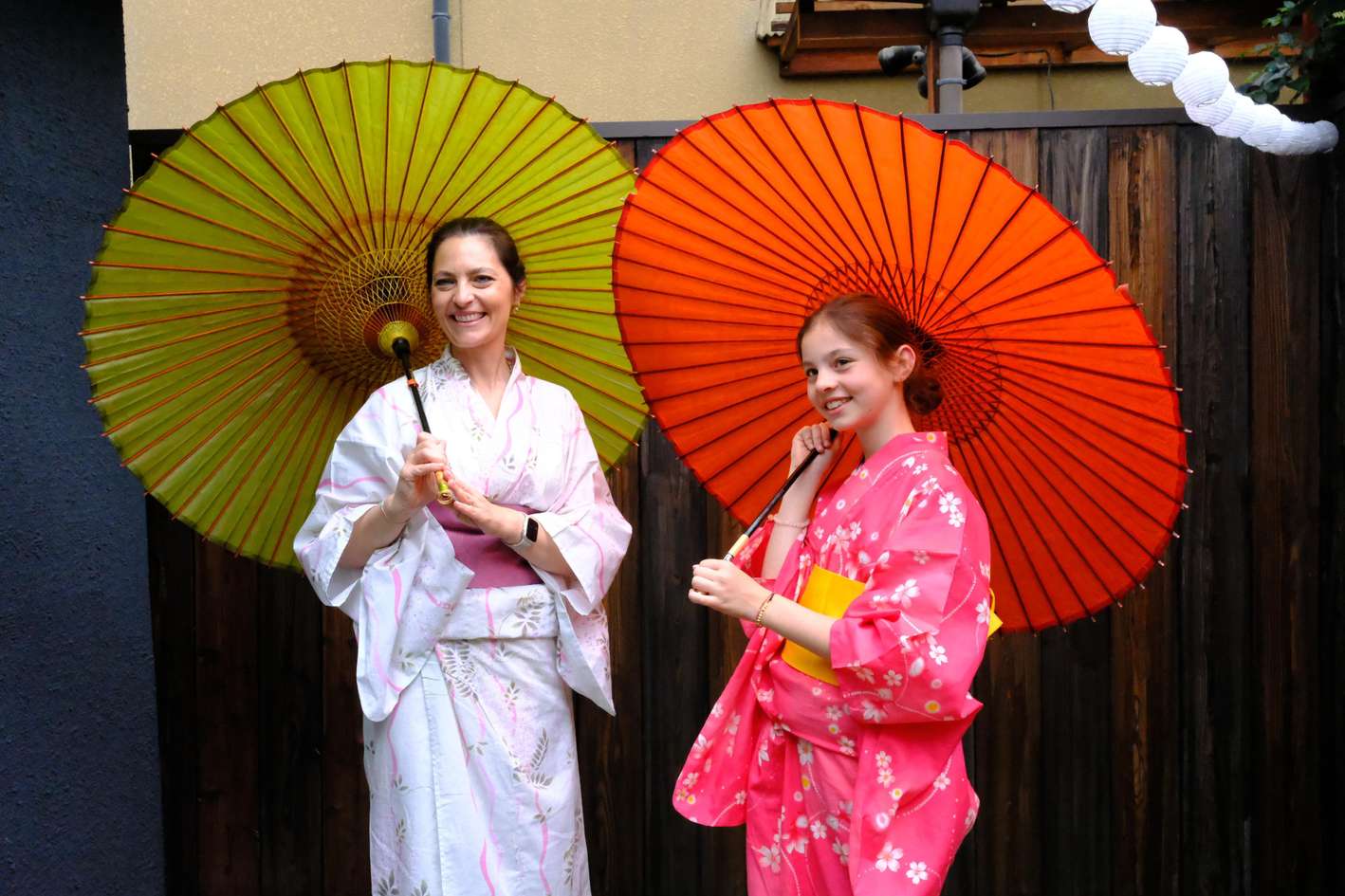
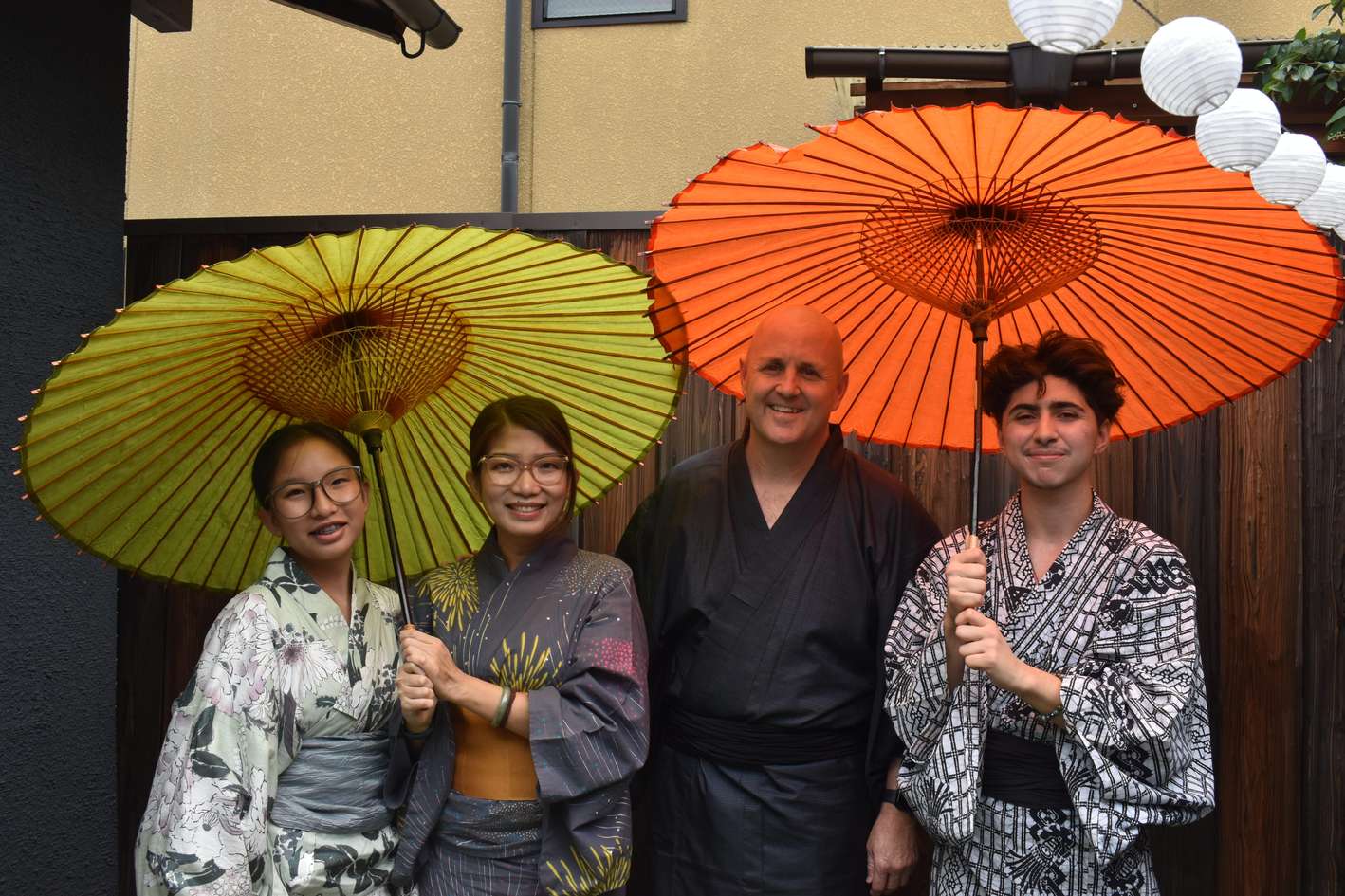
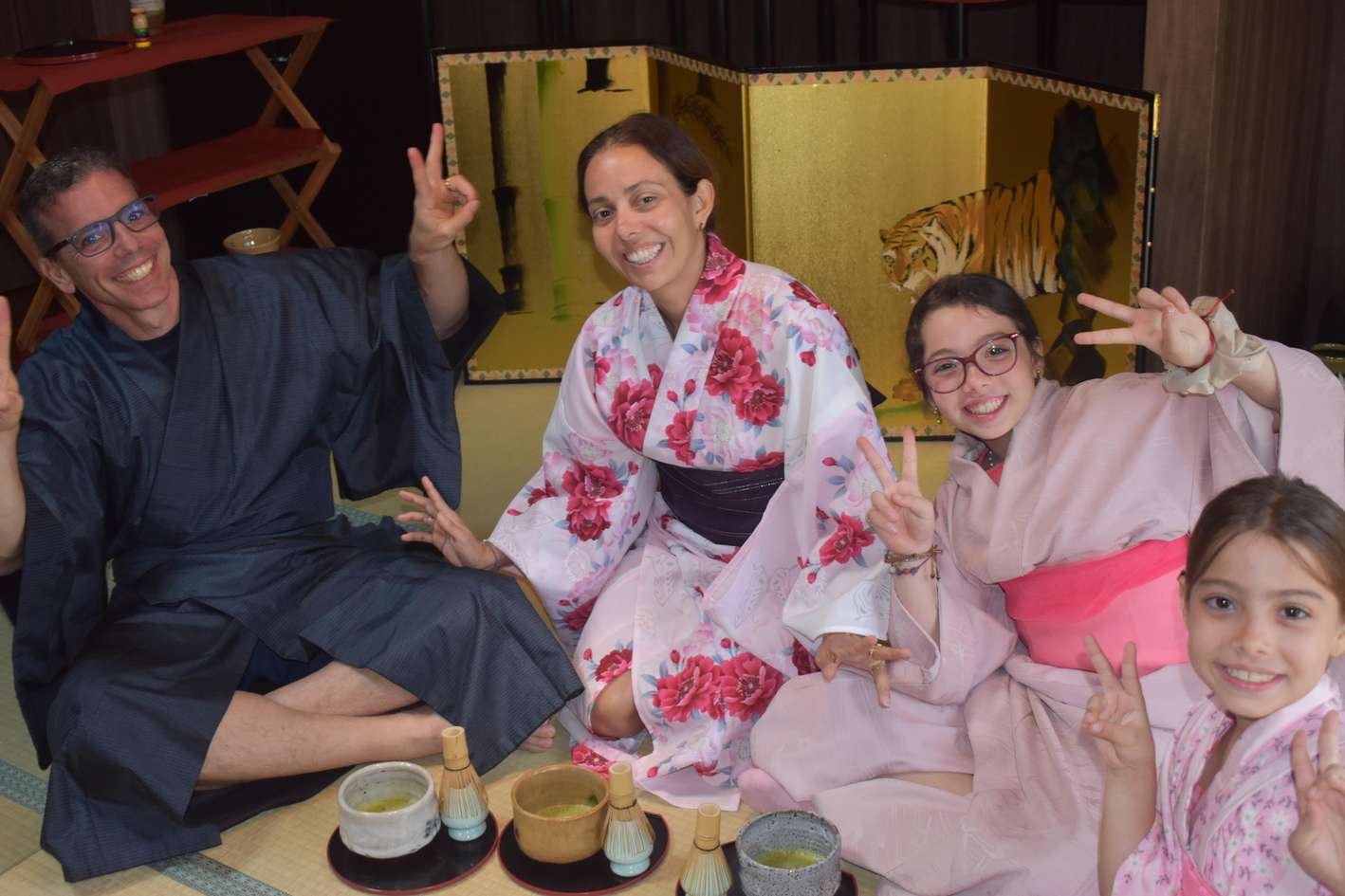
Adding kimono changes your schedule more than your outfit. Under one roof in Gion or near Kiyomizu-dera, dressing and hairstyling mean arriving 50 to 60 minutes before the ceremony, for a combined 90 minutes to two hours.
At split locations, you travel between shops in your kimono, and one operator's kimono option fixes your tea ceremony time to the kimono start time you pick. Some packages let you wear the kimono out afterward until a return deadline; others keep it on-site only.
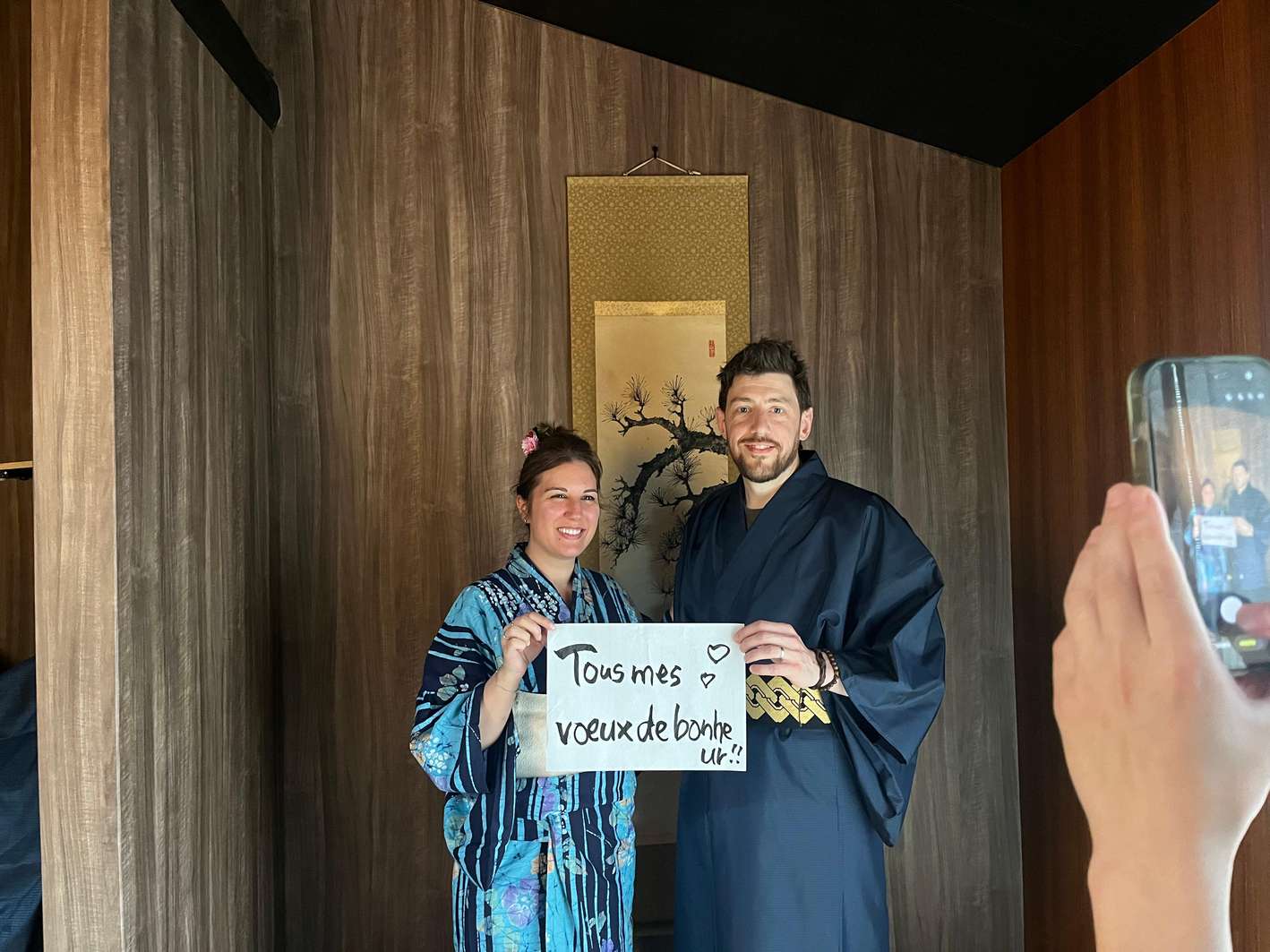
Photos follow the room's rules. Flash is prohibited at some venues and video recording at others, and a few hosts allow session photos but not posting them. Tipping is not expected anywhere in Japan; a simple thank you is the custom.
RecommendedThe single tip that saves the booking: Reserve 6 to 8 weeks ahead for cherry blossom and foliage season, and with kimono dressing under one roof, arrive 50 to 60 minutes before the ceremony starts
Hold onto those two numbers: the 6 to 8 weeks and the 50 to 60 minutes decide the whole day.
What to pair with your ceremony - Gion, Higashiyama, and beyond
The hour is booked; now build the day around it. Southern Higashiyama hands you a ready-made walking route: start early at Kiyomizu-dera, descend the stone lanes of Sannenzaka and Ninenzaka toward the Yasaka Pagoda, pass Kodai-ji and end at Kennin-ji, Kyoto's oldest Zen temple, barely a five-minute walk from Gion's tea venues.
A second cup costs nothing in pressure. Temples and garden cafes around the city serve matcha and wagashi walk-in, no ritual, no schedule, street clothes welcome. It is a good way to taste again what you learned in the morning.
For the deeper tea day, Uji sits 17 minutes from Kyoto Station on the JR Nara Line and grows the tea in its own hills. A half day covers the tea shops, lunch and a ceremony; Taiho-an by the river even takes walk-ins for tastings.
A Kyoto tea ceremony is one of the few cultural experiences where an hour genuinely delivers, and the beginner sessions exist to welcome people with no background at all. Book a morning slot in shoulder season, bring socks, arrive early, and the etiquette anxiety never shows up.
Go ifYou want a real ritual with explanationsYou can book 6 to 8 weeks ahead for spring or autumnYou will take a 9 am to 11 am slot for the quietest room
Skip ifYour only open slot is a rushed 40-minute sessionYour children are under the venue's age minimum and no family session fitsYou need step-free access and the venue is an old townhouse with steep stairs
Our pick to book
Kyoto: Tea Ceremony in a Garden Tea House near Kiyomizu-dera4.8★ (4,618) · 45 minutes · Free cancellation
Everything people ask about a tea ceremony in Kyoto
Short answers to the things first-timers wonder about before booking a tea ceremony in Kyoto.
Kyoto2026
The tea master turned the bowl so the light caught the glaze, then showed me how to whisk. Bring socks and book a morning slot.
Do I need to speak Japanese or know the etiquette before I book?
No. Introductory sessions are built for beginners, and an English-speaking host walks you through each step and explains the meaning behind every movement. Small mistakes in etiquette are routinely overlooked.
Will I actually whisk my own matcha, or just watch?
Most beginner sessions include both. You watch the tea master prepare a bowl first, then whisk your own and drink it. At one townhouse ceremony, guests pair up and serve each other tea they have prepared.
How long does a session take?
Standard introductory sessions run 45 to 60 minutes, extending to 90 minutes or two hours when kimono dressing is included. Sessions shorter than 40 minutes can feel rushed.
Is the matcha really that bitter?
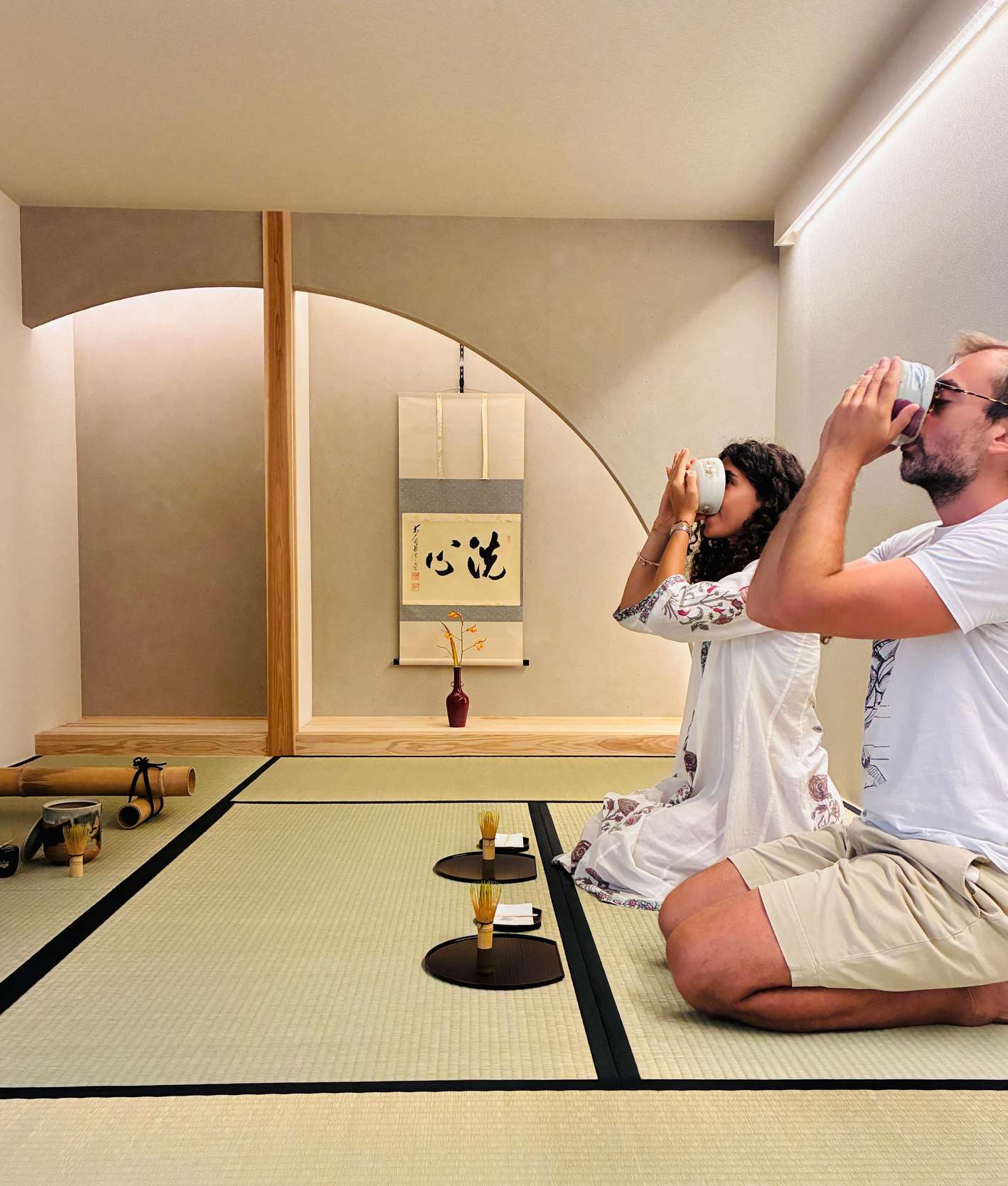
Ceremonial matcha is stronger than the sweetened drinks you may know, so you eat a traditional sweet before the first sip to balance the bitterness. The portion is only a few small sips, and the tea should be drunk soon after it is whisked.
What should I wear and what do I bring?
You remove your shoes at the entrance, so wear clean socks, ideally a fresh pair, since bare feet are not allowed on tatami. Choose loose, modest clothing you can sit in, and avoid sandals, shorts and heavy perfume. Rings and watches come off before you handle the tea bowl, because metal can scratch the ceramic.
What if I cannot kneel on tatami?
You can ask for a chair. Stools and seats are provided at the temple ceremony at Jotokuji, small chairs are available in the 100-year-old townhouse, and bamboo chairs can be requested in advance at the Karasuma Shijo venue.
Can I bring my children?
It depends on the venue. Children under 6 are not permitted at the garden tea house near Kiyomizu-dera, under 5 at Ju-An at Jotokuji Temple and the Gion tea house, and the townhouse ceremony is for guests aged 10 and above. Check the age rule before booking.
Is this a real ceremony or a tourist version?
A full formal gathering, called a chaji, lasts up to four hours and needs an invitation, so what you book is a distilled version. That is not a lesser thing: it keeps the ritual, utensils and seasonal sweets, adds English explanations, and fits into a sightseeing day.
What actually happens in a beginner session?
You observe a tea master's demonstration, hear about the history and meaning of the utensils, and learn the greetings and etiquette. Then you drink the matcha, and in many sessions you whisk your own bowl. Some hosts also explain the teachings of Sen no Rikyu.
Why does the sweet come before the tea?
The wagashi is eaten first to balance the natural bitterness of ceremonial matcha on the palate. The sweets change with the season, and you eat the sweet, then drink the tea in small sips while it is warm.
Is it worth doing a tea ceremony in Kyoto?
Kyoto is widely regarded as the best city in Japan for a first-time ceremony, thanks to its deep ties to tea culture. Even visitors who do not usually enjoy green tea find the session worthwhile for the setting, the dressing and the fresh taste of the tea.
Can I get matcha and sweets without booking a ceremony?
Yes. Many temples in Kyoto serve matcha and wagashi on a walk-in basis, and you can sit in ordinary street clothes with no ritual to follow. It is a good sampler, though you skip the demonstration and the whisking.
Whisk your own matcha at a Japanese tea ceremony in Kyoto
Watch a tea master, then whisk your own matcha in a tea house with a garden view near Kiyomizu-dera, and cancel up to 24 hours ahead for a full refund.



 Your best match